






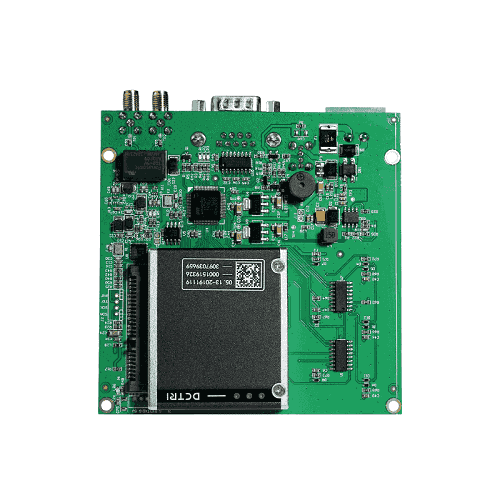
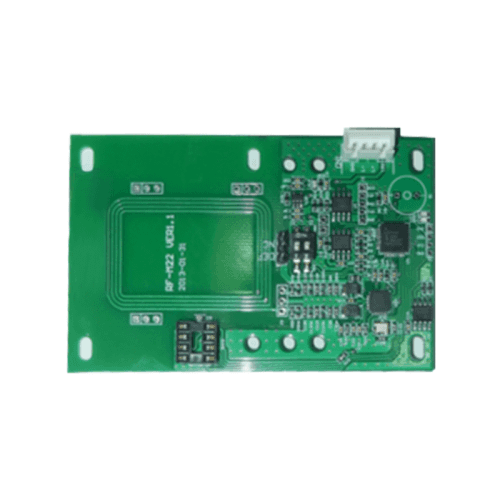
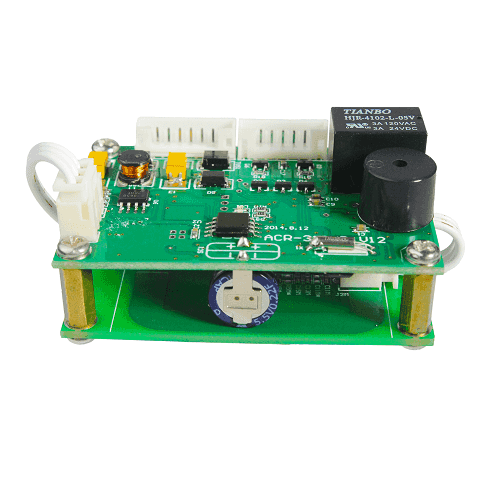
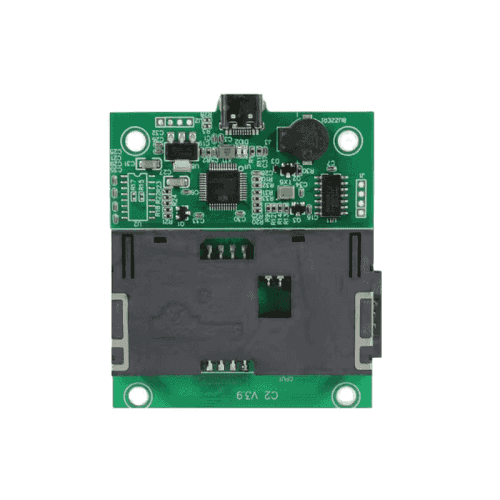

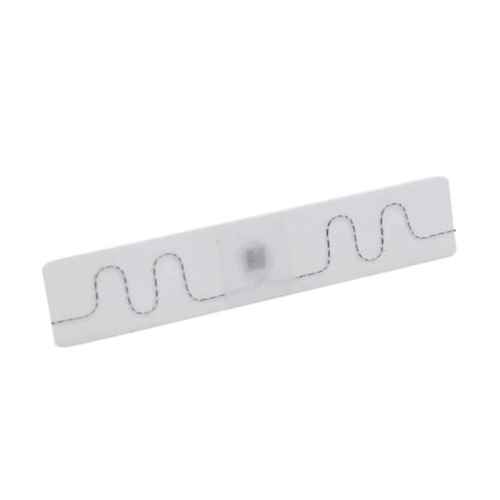
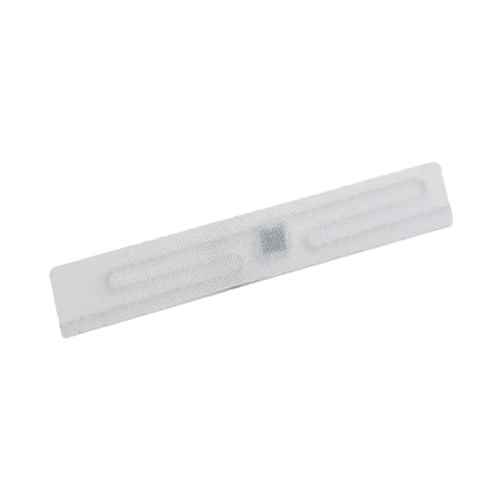
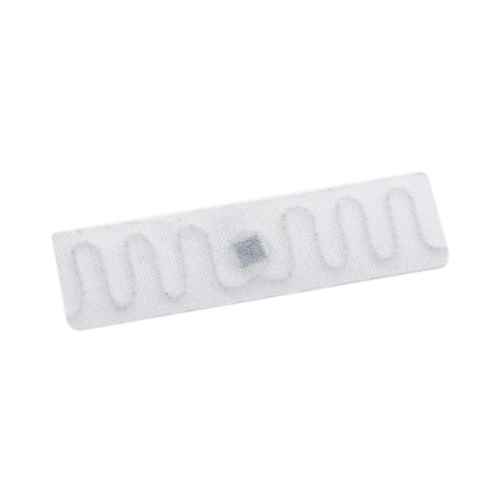
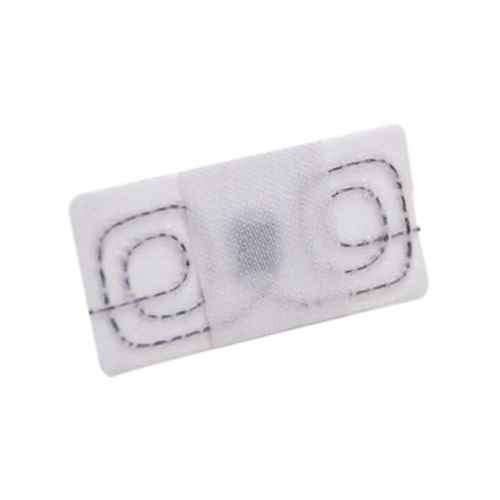
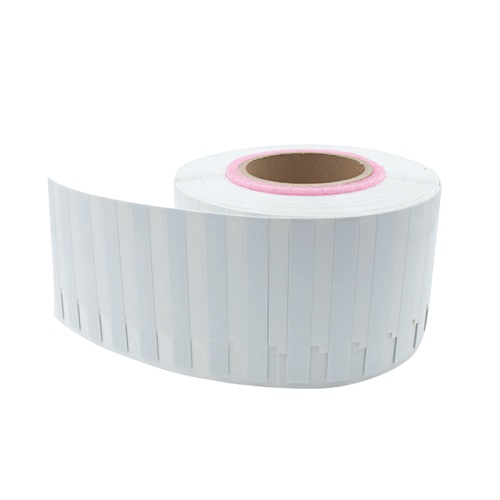
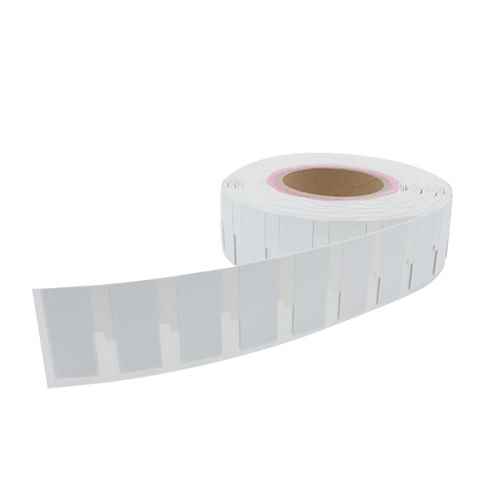
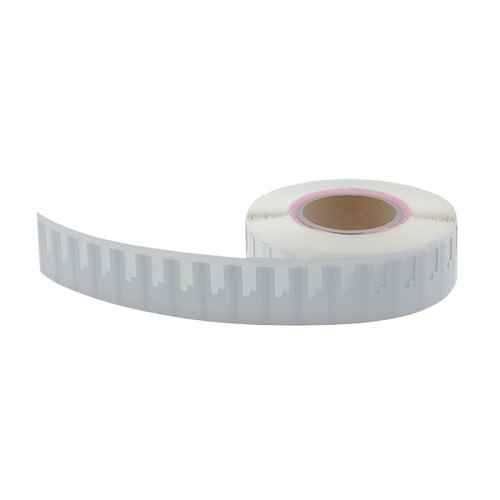
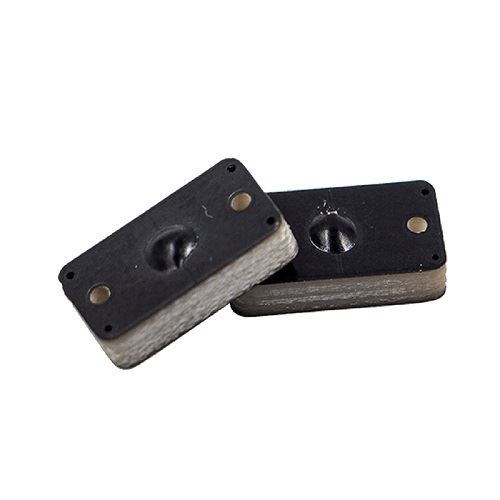
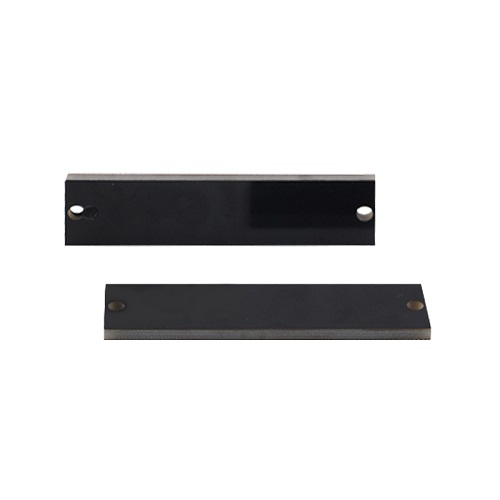
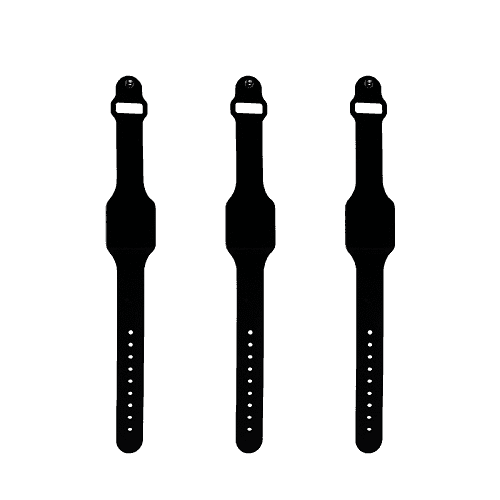
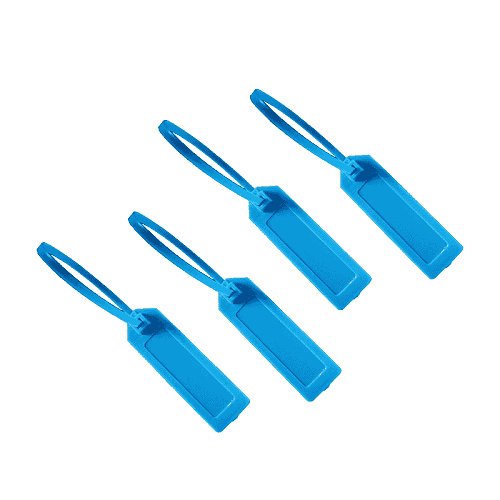
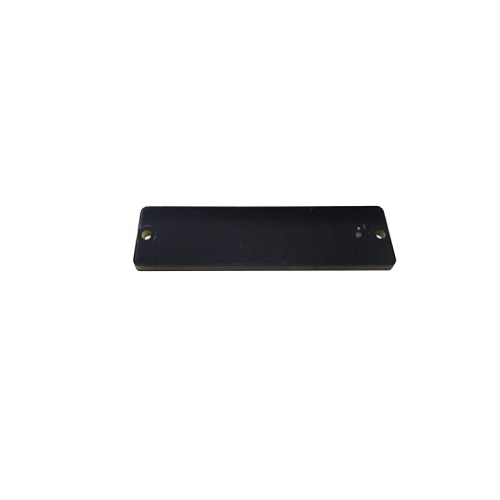

RFID tags, essential in many smart devices today, are often unseen helpers that make life more convenient. But what exactly are they, and how do they work? Let’s explore the development, working principle, applications, and future trends of RFID tags.
1. Development of RFID Tags
- Early Years (1940s-1970s): RFID began in WWII for military use. In 1948, Léon Theremin invented the first passive RFID device.
- Growth (1980s-1990s): Standardization in the '80s helped RFID technology expand into supply chains and logistics.
- Maturity (2000s-2010s): As costs dropped, RFID became widely used in retail, manufacturing, and logistics.
- Innovation (2020s): RFID now integrates with IoT and AI, leading to continuous innovation.
2. How RFID Tags Work
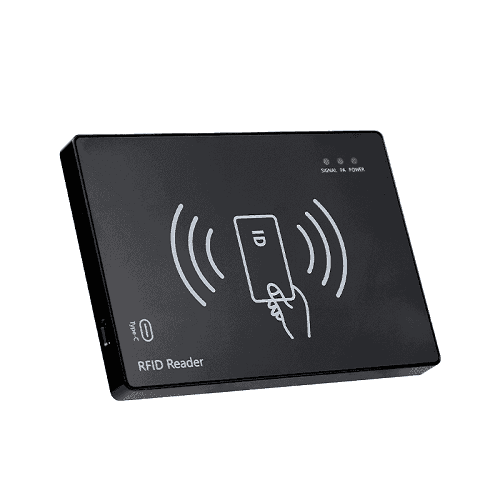
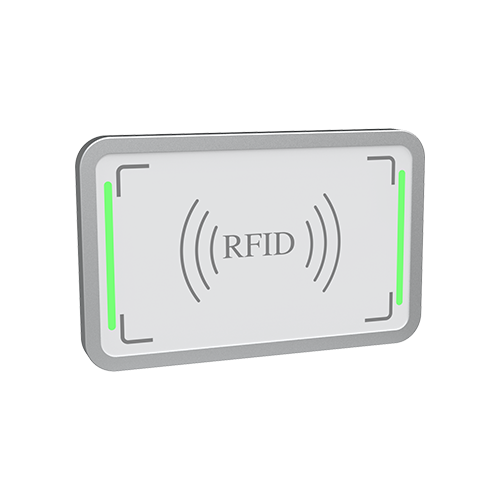
RFID tags are passive and work by receiving energy from a reader’s radio waves. When the reader sends a signal, the tag responds by transmitting its stored information, much like a conversation without physical contact.
3. RFID Applications
- Retail: Inventory management, theft prevention, and self-checkout.
- Logistics: Real-time tracking and smart warehouse management.
- Healthcare: Patient, medical records, and equipment management.
- Transportation: Automated tolls and parking management.
- Agriculture: Animal health tracking.
- Libraries: Self-service and inventory management.
- Hospitality: Luggage tracking and smart room access.
- Smart Homes: Item tracking and home security.
4. Future Trends of RFID
RFID will evolve with more precision, speed, and integration with AI, enabling smarter, faster production processes. It will drive automation, data analysis, and real-time monitoring, offering more efficient solutions across industries like retail, manufacturing, and logistics. This will bring RFID into a new era of innovation and widespread application.