








For the past fifty years, barcodes have been used in industrial and commercial sectors for automation, data capture, and identifying goods and materials. In the 1970s, the widespread use of standardized barcodes allowed sales data to be quickly accessed, which previously had to be recorded manually and slowly.
Barcodes also brought other advantages, such as improved sales control, convenience in customer service, and better inventory control. Effective inventory cost management can lower operational costs and directly impact a business's profit and net income. However, even with the advent of more advanced barcode formats like 2D QR codes and data matrices, barcodes still have limitations. They require individual scanning with a separate scanner and need to be within the scanner’s line of sight, which increases processing time.
A typical example is the checkout process at supermarkets, where items are scanned one by one, causing delays in completing purchases. Barcodes need to be visible, which often requires unpacking, separating, and positioning items for scanning, further adding to processing time. This also hinders more frequent inventory checks, leading to potential sales losses, especially in e-commerce, where retailers cannot confirm product availability. Another limitation is that barcode data is fixed, meaning once printed, it cannot be updated or expanded. New barcodes must be generated and printed to replace old ones, requiring new labels, printers, and manual effort. Imagine a method that could exponentially speed up data reading, reducing processing time and related costs.

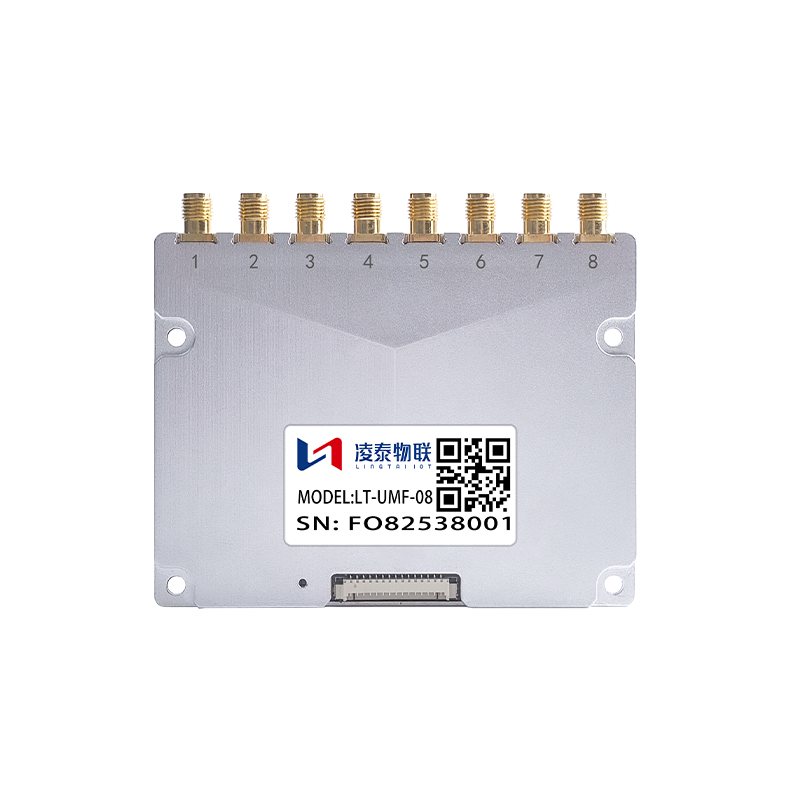
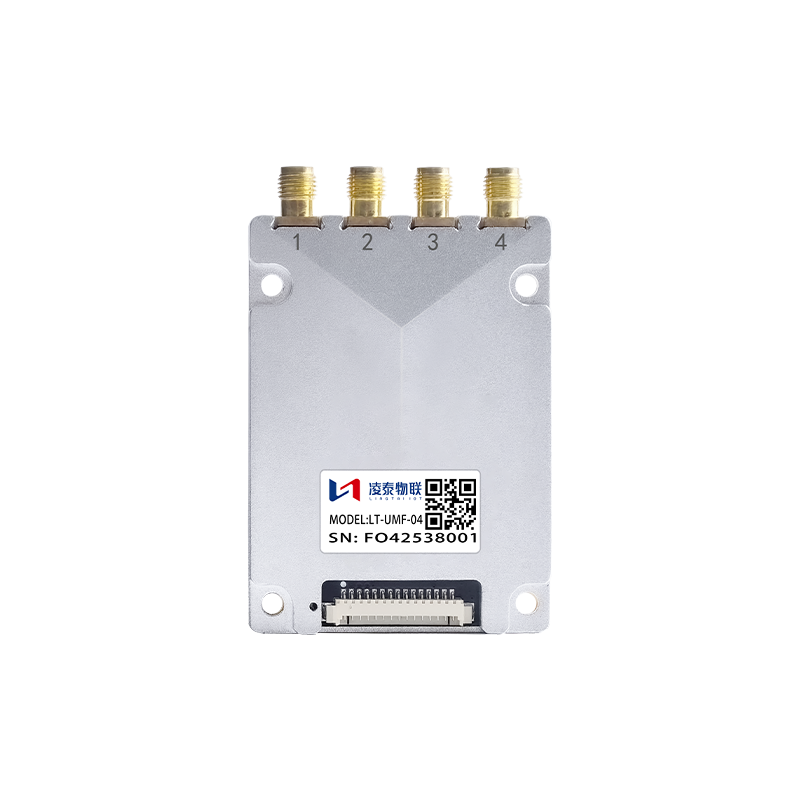
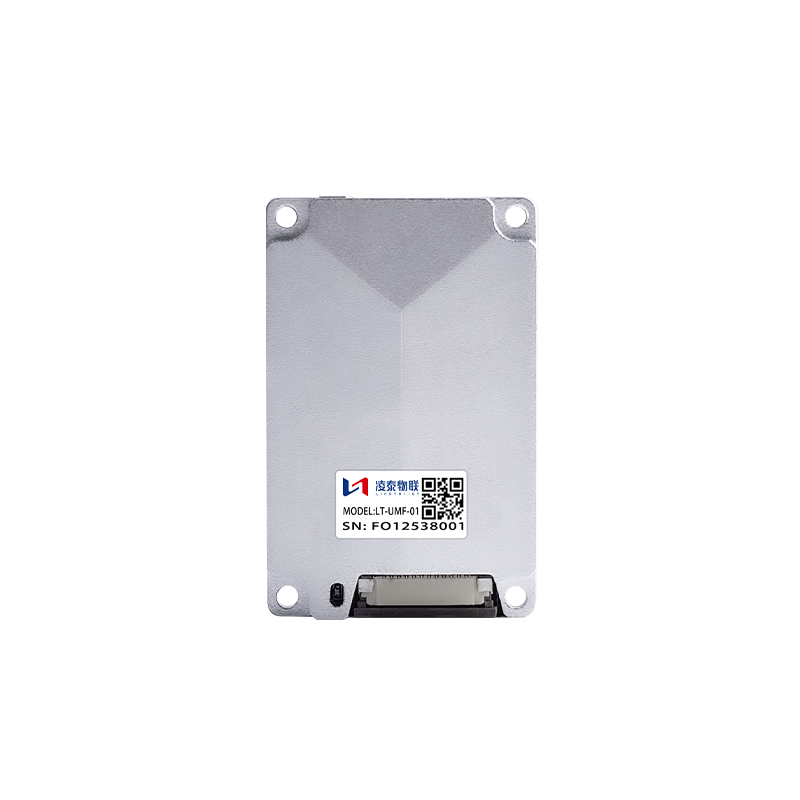
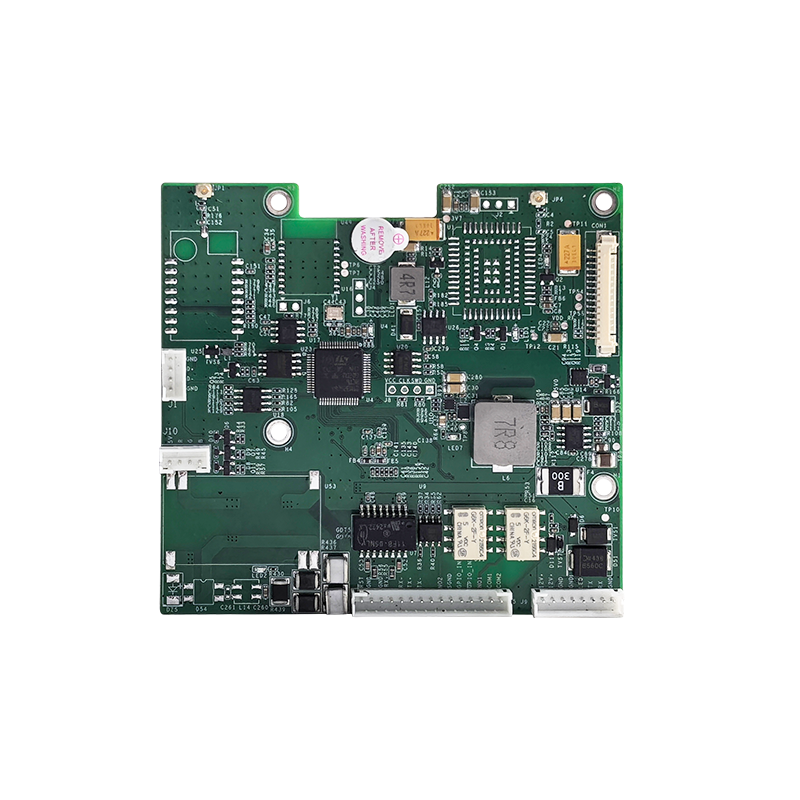
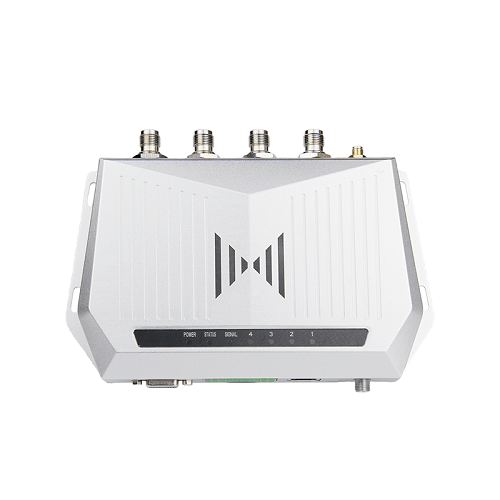
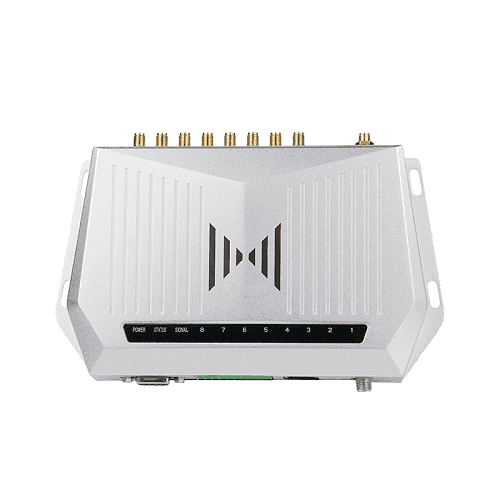
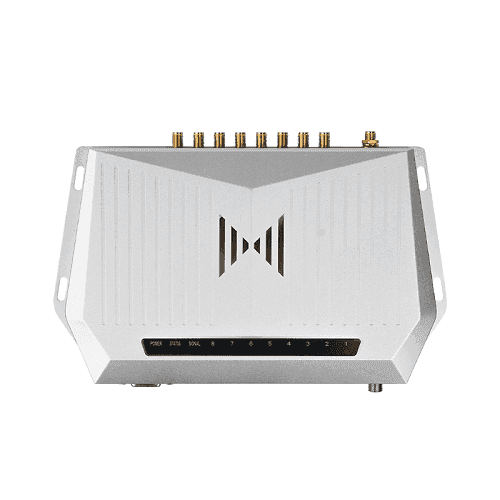
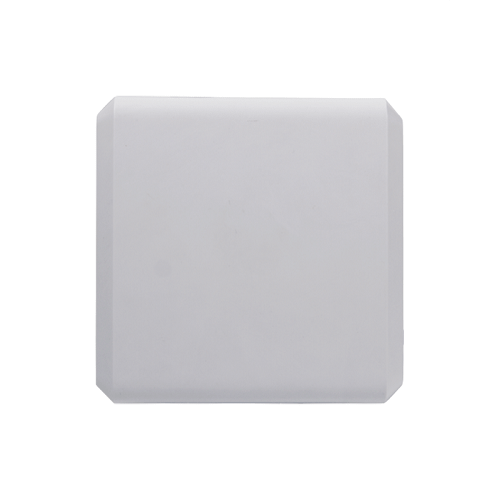
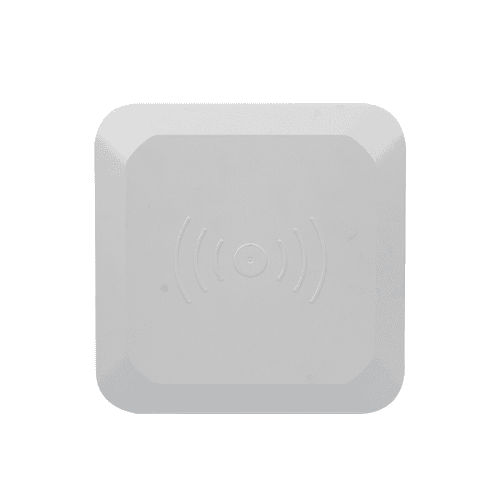
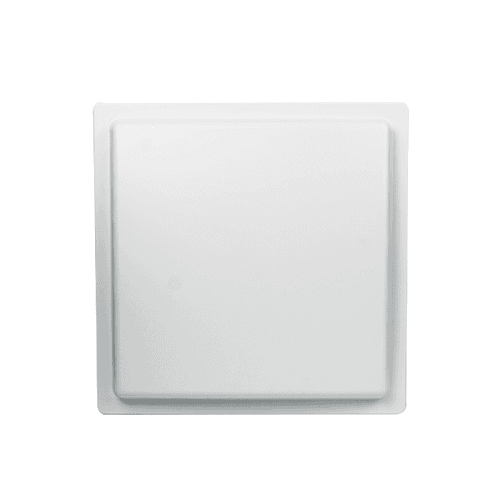
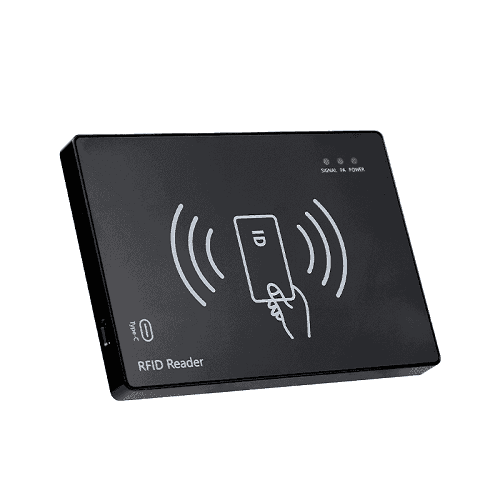
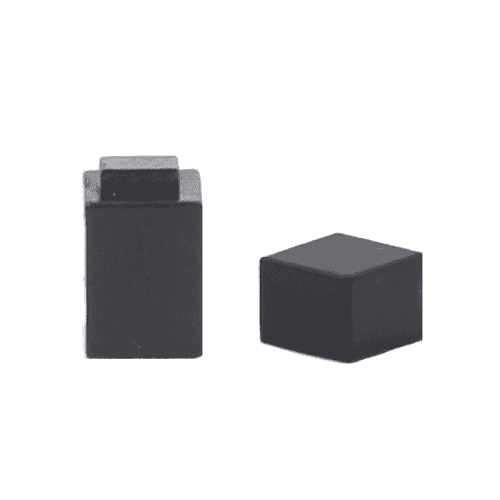
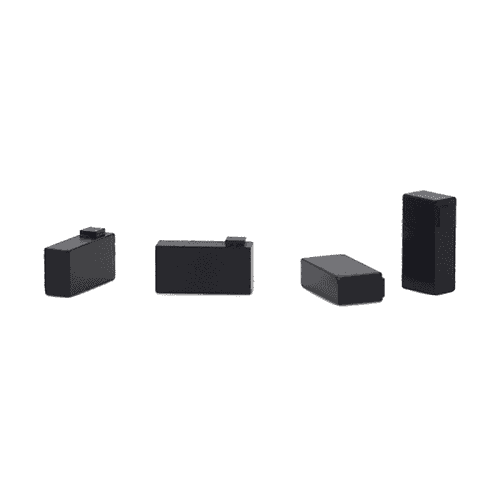
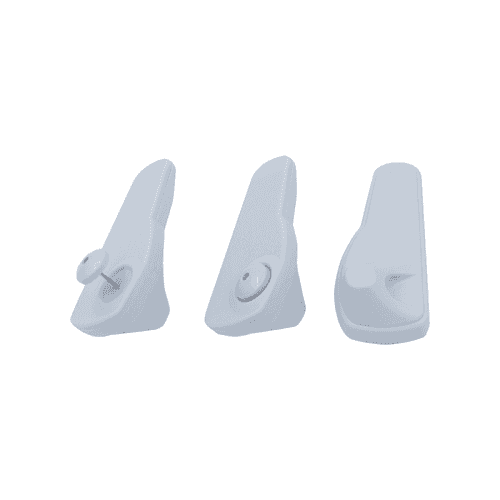
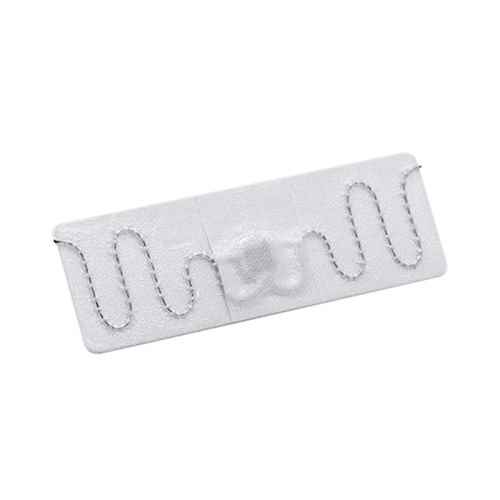
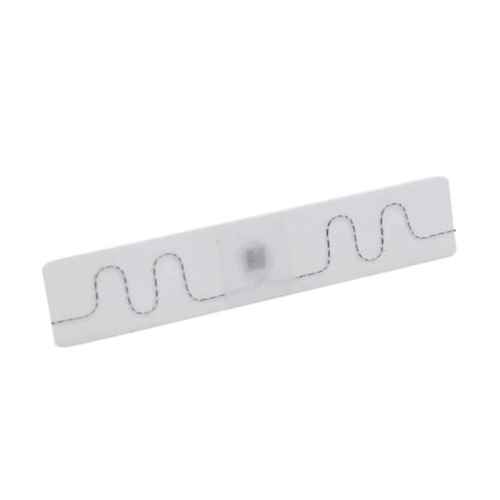
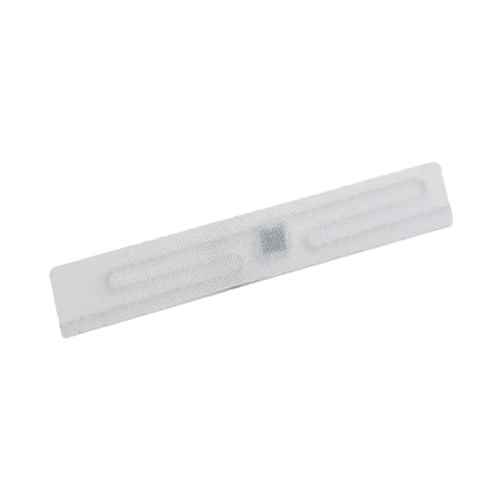
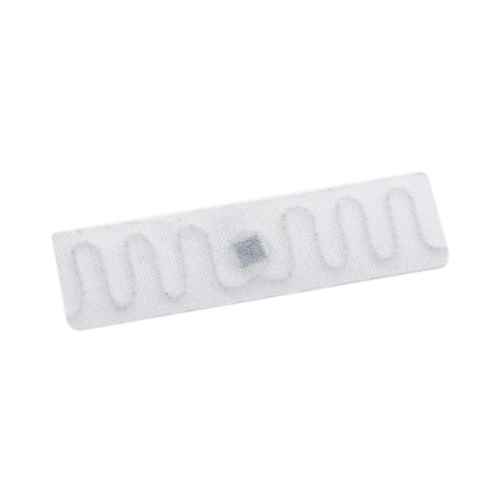
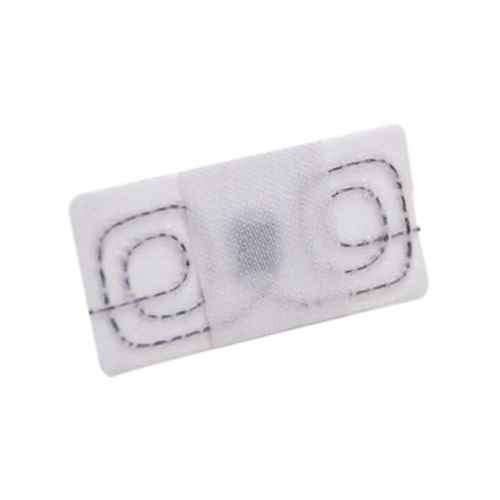
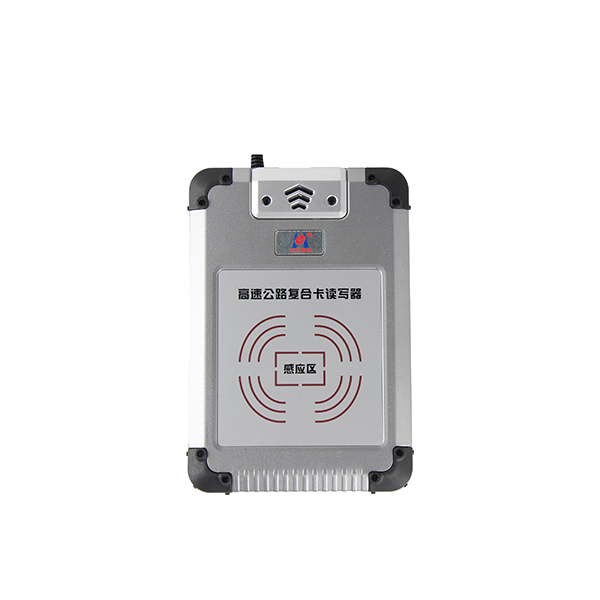
Advancements in semiconductor technology, digital processors, and communication protocols have made Radio Frequency Identification (RFID) a solution for automating data capture, offering advantages over barcodes. RFID involves two components: a tag and a reader with a radio transceiver and data processor. Tags are small, cost-effective, and often battery-free, easily attached to products for automatic identification. Some specialized tags use batteries, known as active and semi-active RFID.
RFID's origins trace back to the 1930s before WWII, with radar technology used to distinguish between enemy and friendly aircraft. This was the first application of passive RFID for object identification.

During the same period, the UK developed a similar system with the goal of identifying friendly or enemy aircraft. The system, called "IFF" (Identify Friend or Foe), installed a radio transmitter on military aircraft, which emitted a specific signal upon receiving radar signals from British airbases. This system operated similarly to RFID, sending a response with its identity when receiving certain radio signals.
In 1948, Harry Stockman published the first technical details of RFID in the IEEE article "Communication through Reflected Power." During the Cold War, significant investments were made in radar and radio transmitter technologies, primarily for military or espionage purposes. In 1970, Mario W. Cardullo patented the first RFID tag with programmable memory, foreseeing its potential use in transportation, finance, and healthcare, including automatic vehicle identification and hospital patient tracking.
Technological advancements in the 1980s and 1990s, such as microprocessors and miniaturized memory, made RFID systems more complex and cost-effective. By the late 1990s, RFID tag usage had reached over a million, mainly in the automotive industry. The lack of standardization hindered interoperability, similar to barcode systems in the 1970s.
The Auto-ID Research Center, founded by MIT in 1999, initiated the first standardized RFID system. In 2003, the EPC Global standard was introduced, creating open solutions for passive RFID tags and communication protocols. Today, RFID standards are maintained by GS1, advancing interoperability.
One key advantage of RFID over barcodes is its ability to read data without visual contact, reducing the need for manual handling and improving safety. Items can even be read through secondary packaging, with hundreds or thousands of items being scanned in seconds. RFID can read data about 15 times faster than manual barcode scanning. As costs decrease and performance improves, RFID technology is being widely adopted in industries like automotive, pharmaceuticals, logistics, and retail.