

Radio Frequency Identification (RFID)


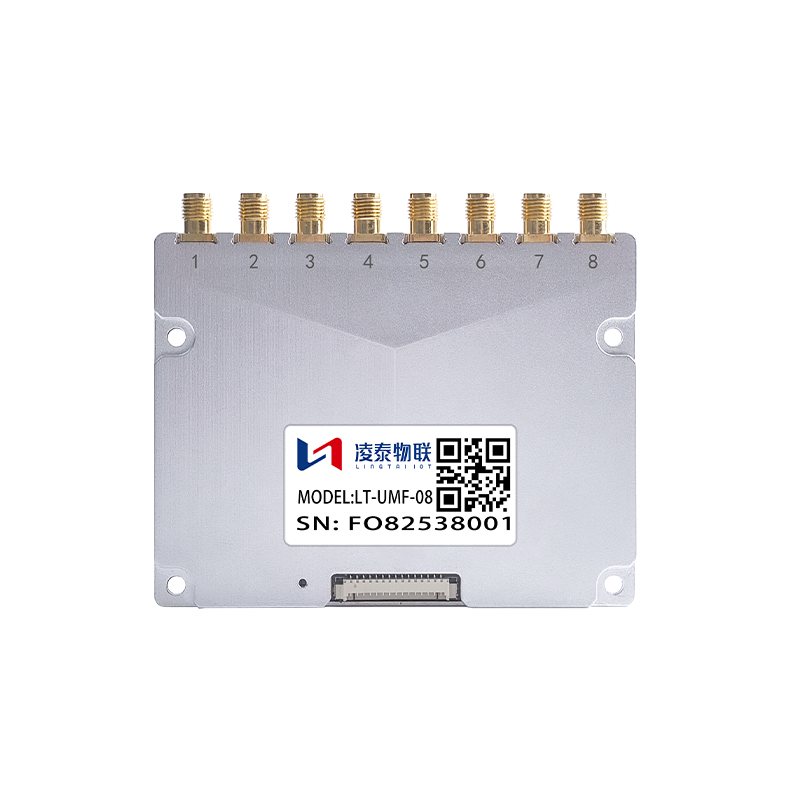
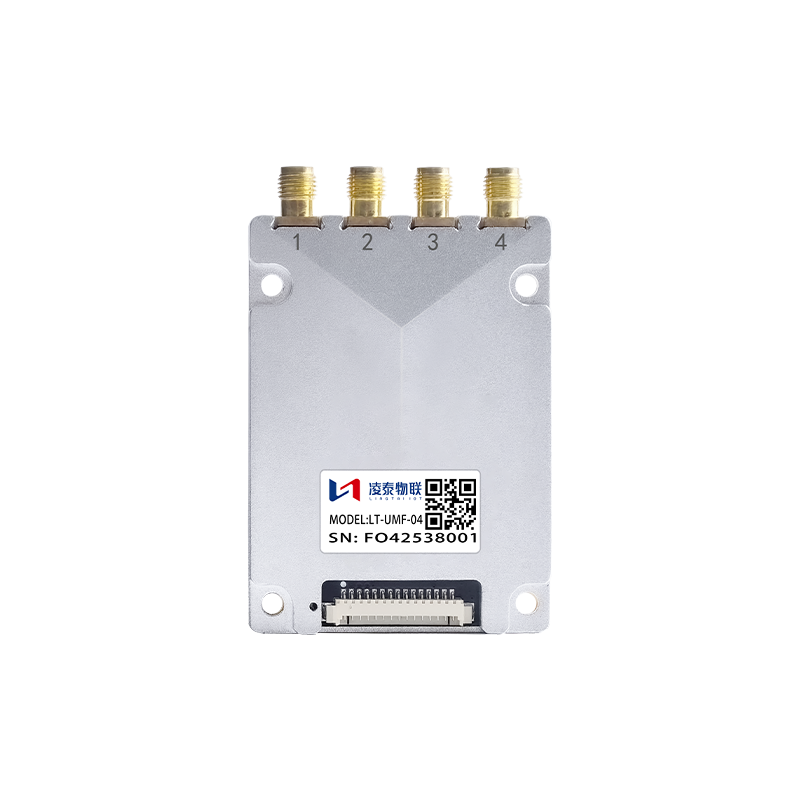
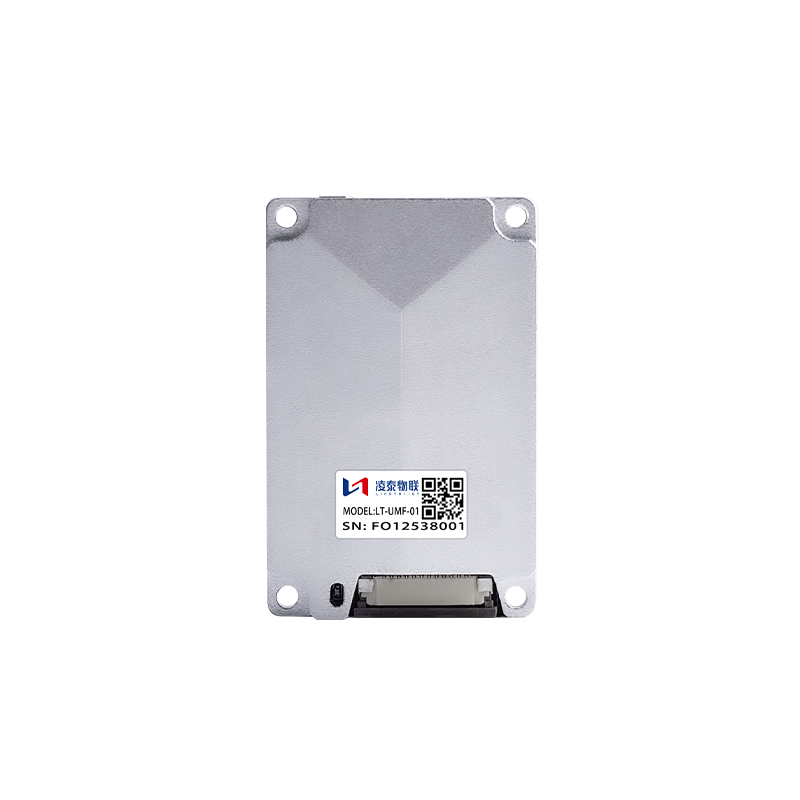
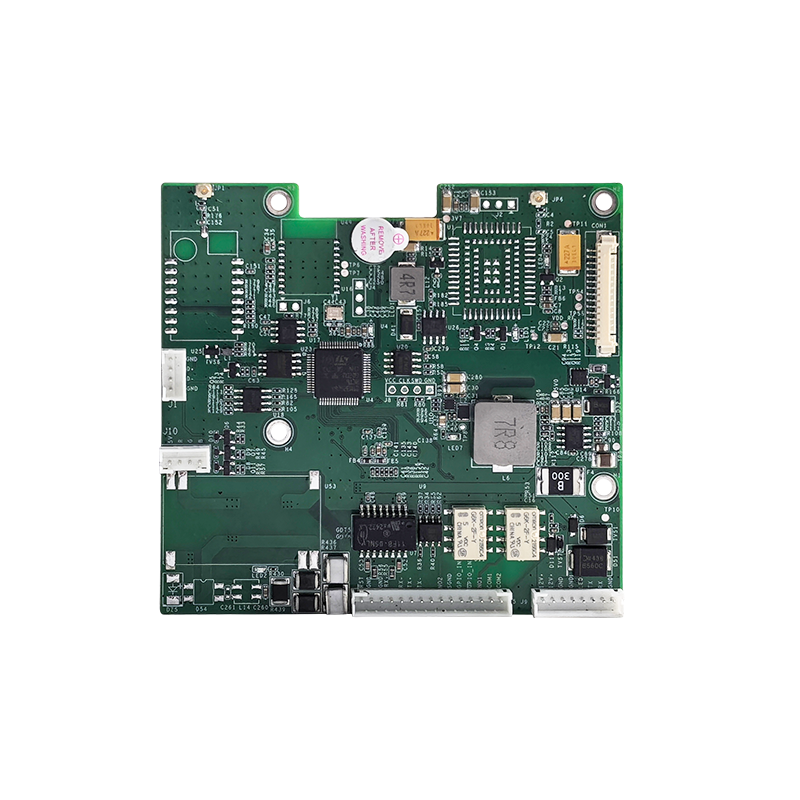
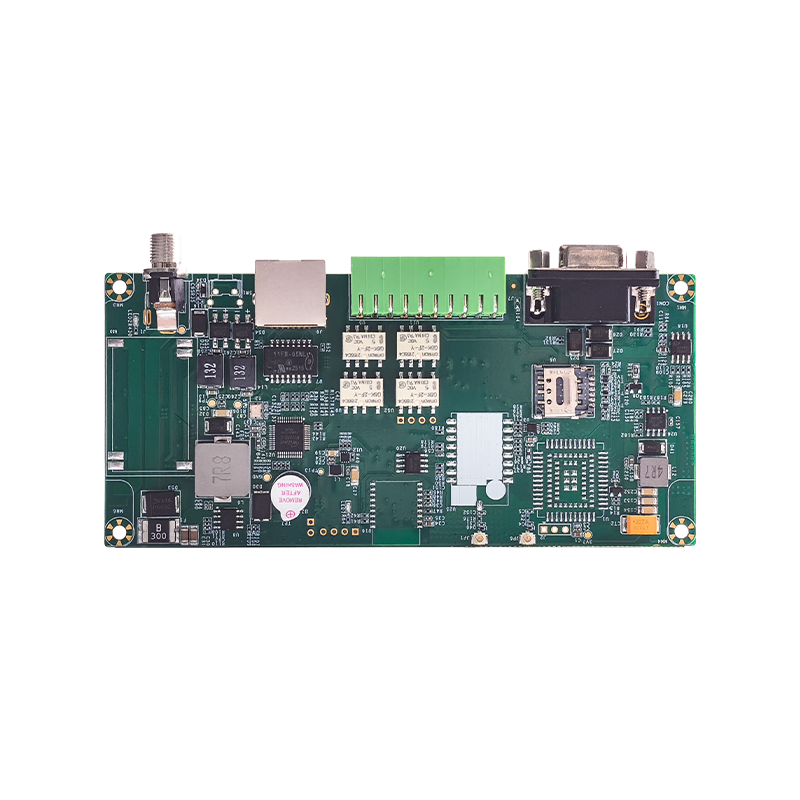
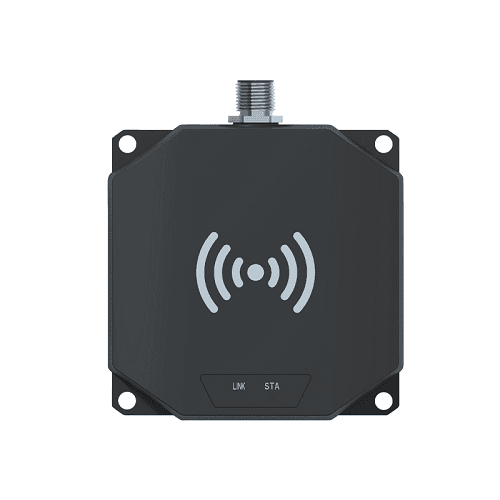


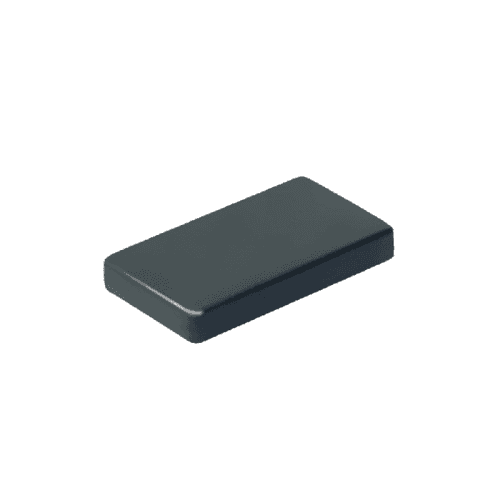
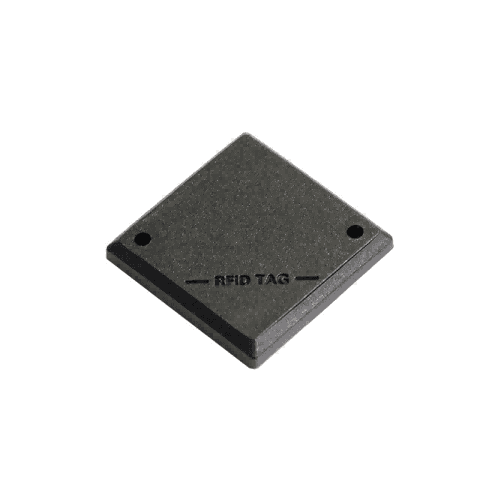
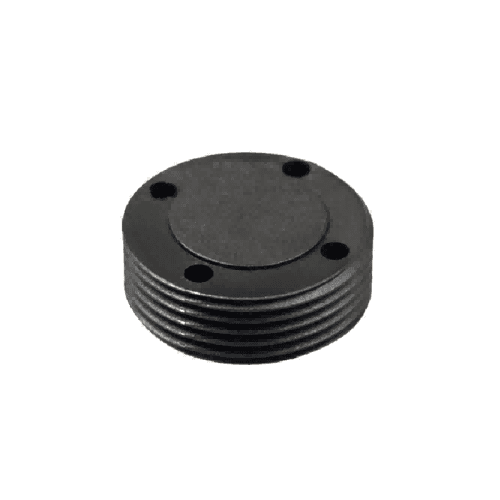
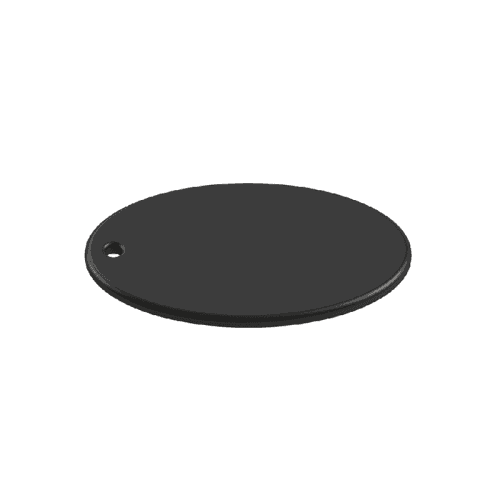
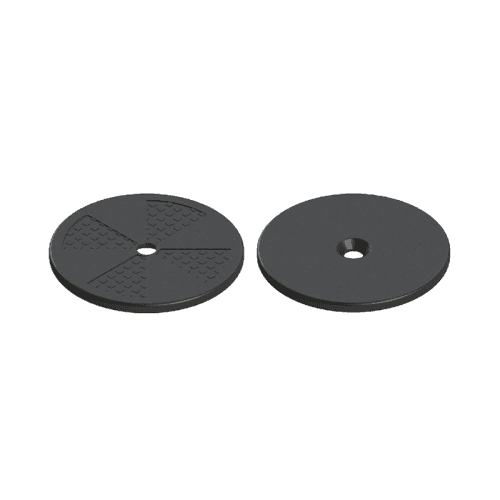
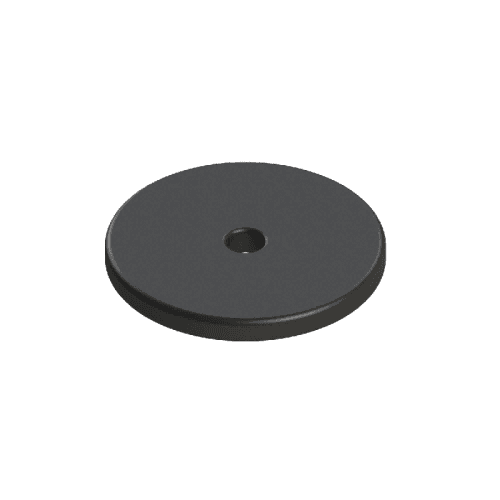
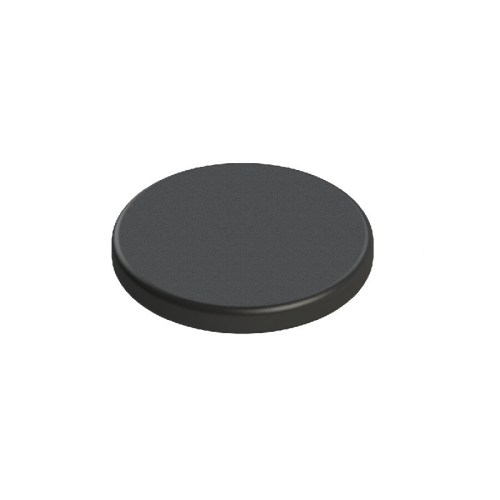
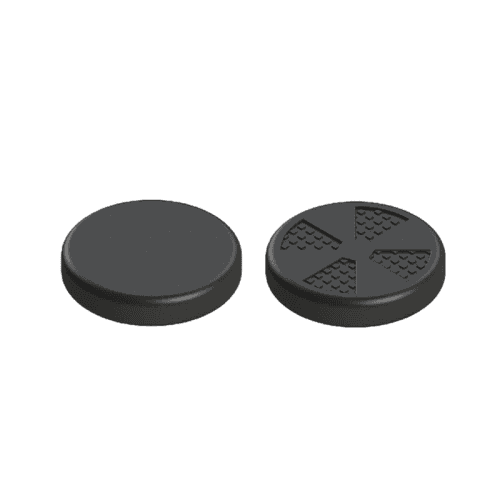
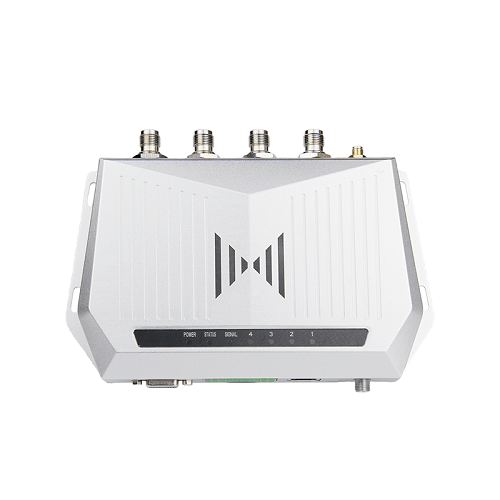
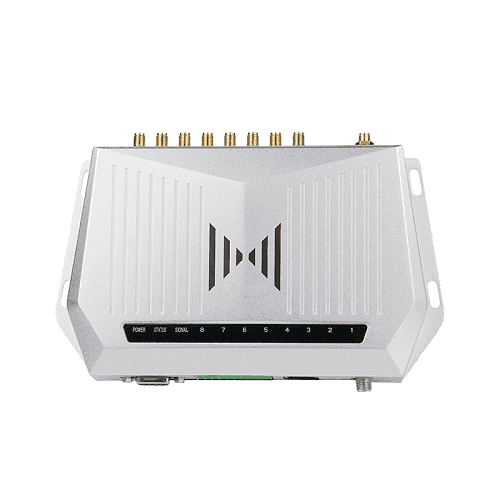
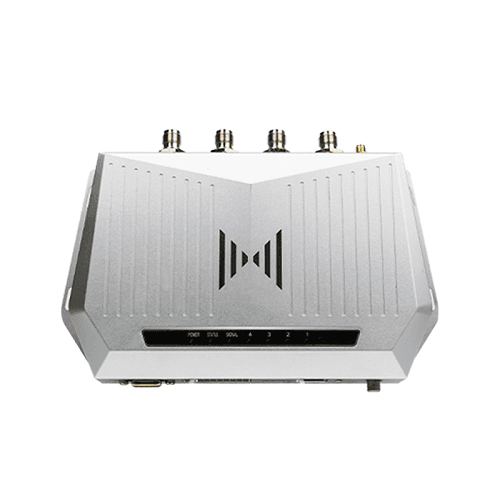
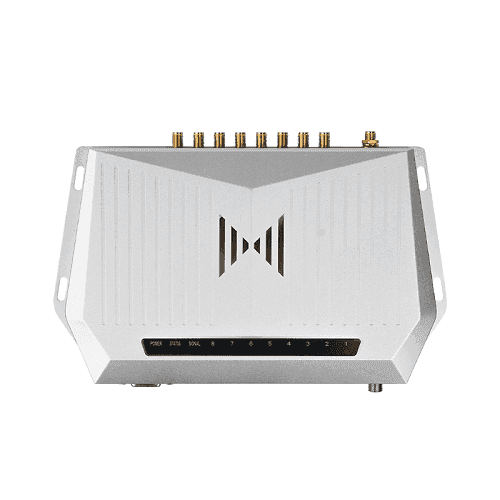


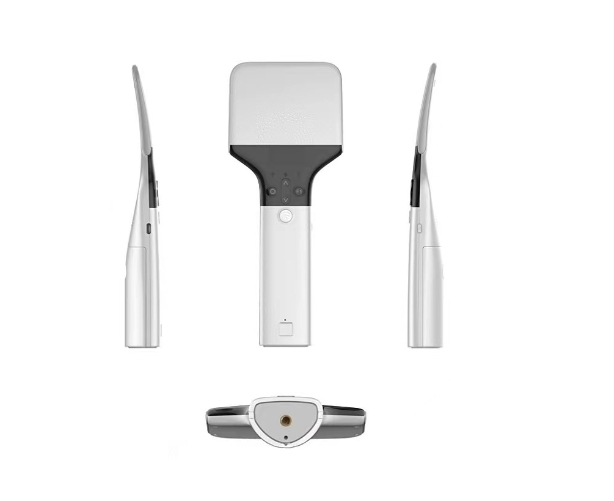
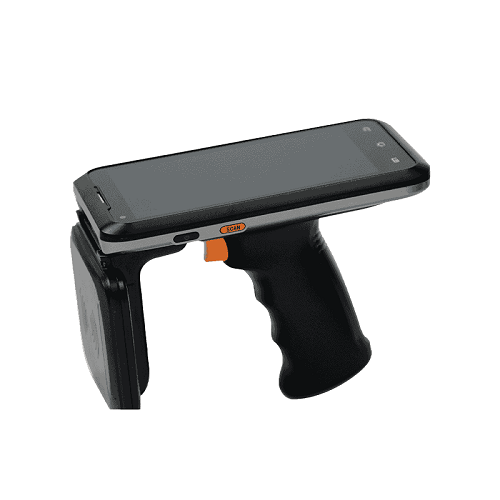
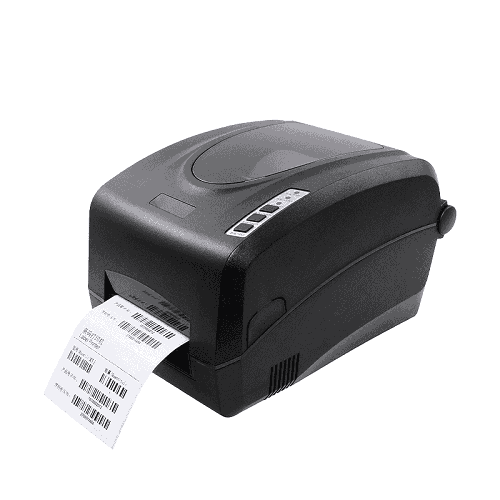
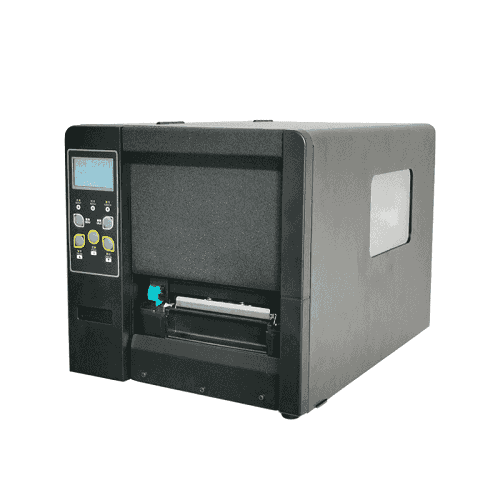
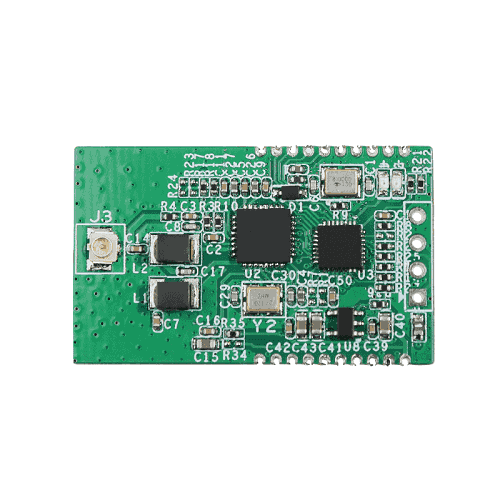
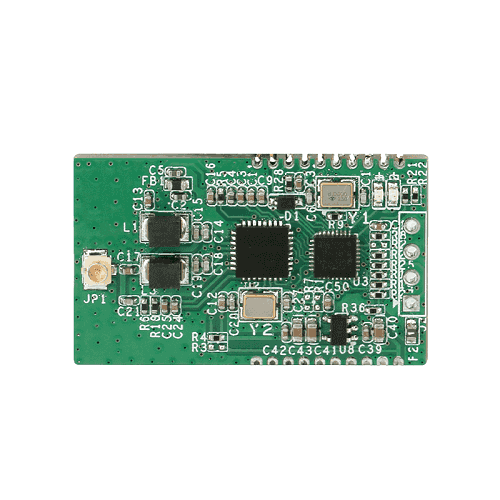
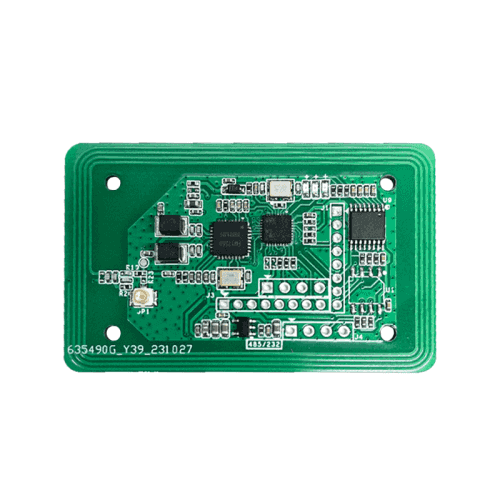
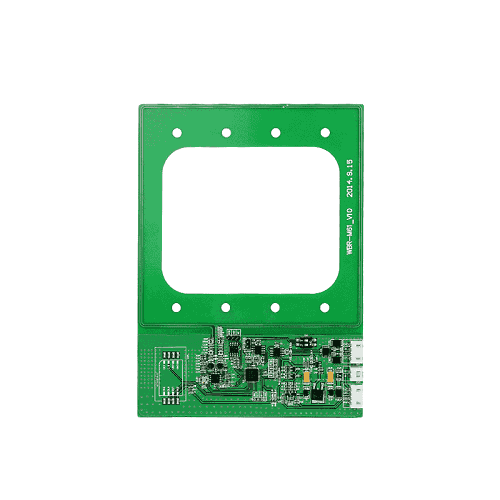
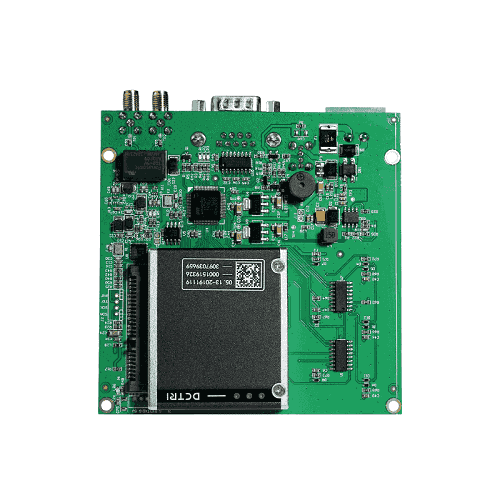
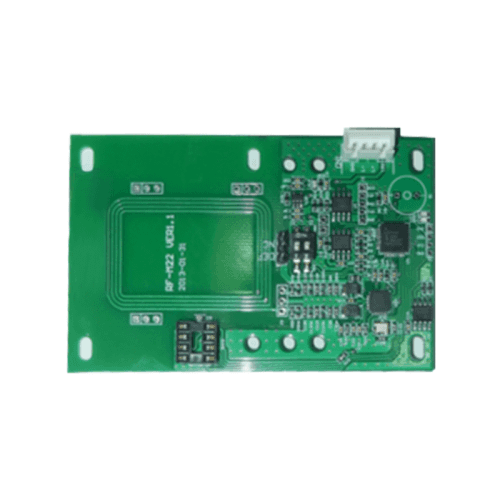
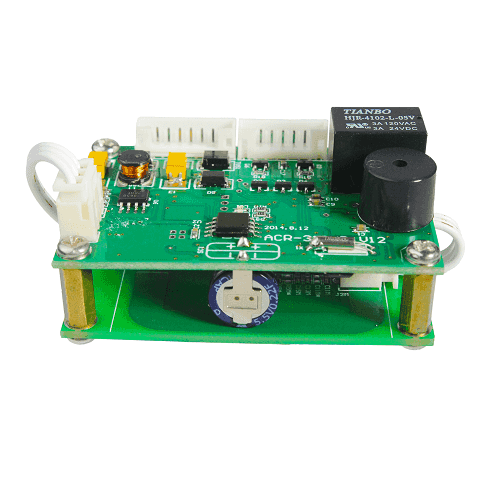
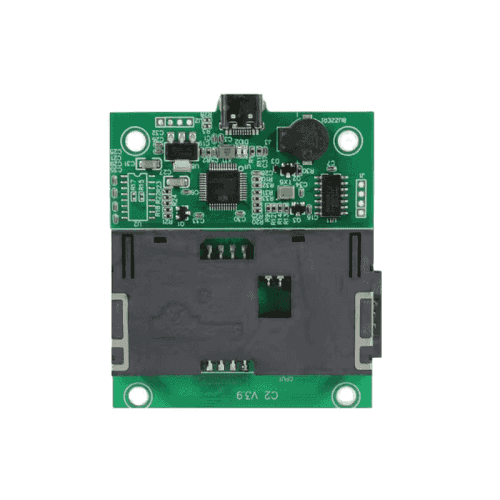

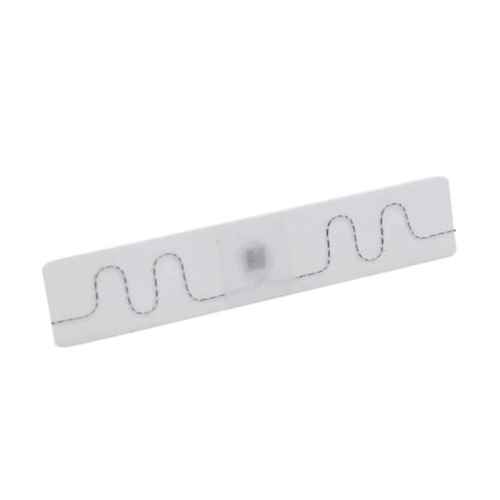
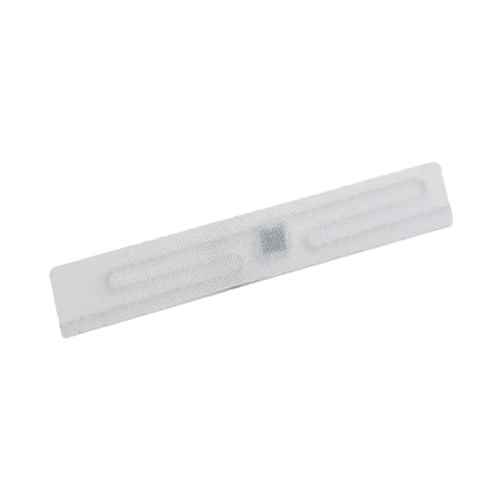
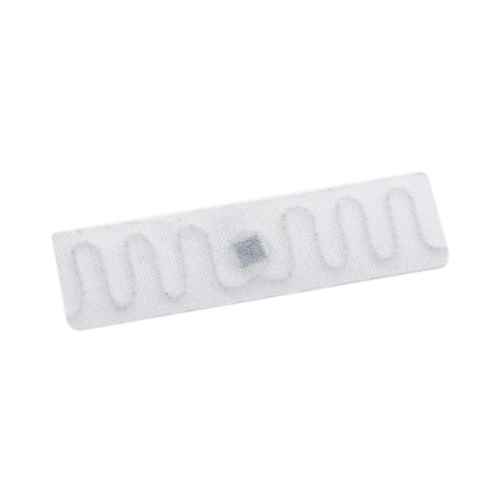
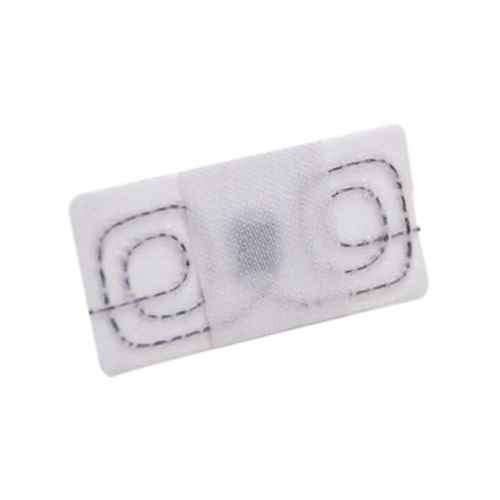
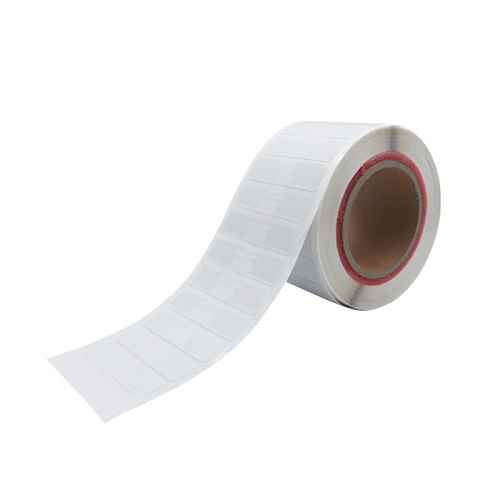
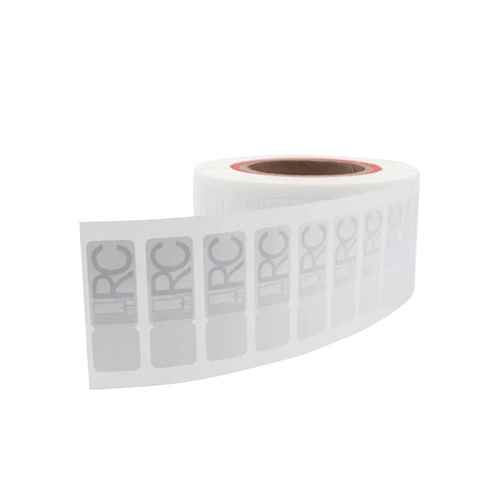
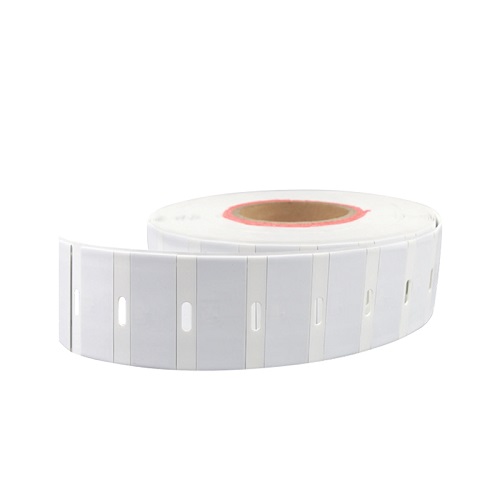
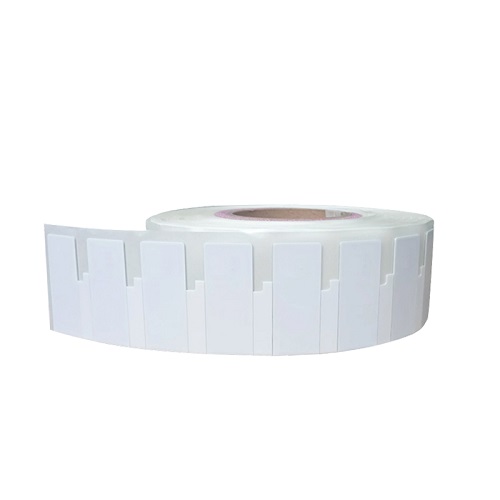
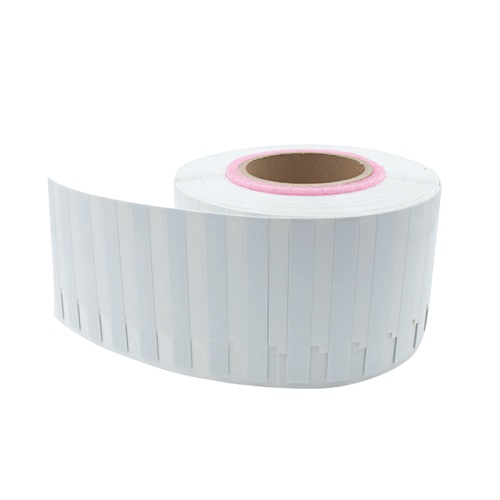
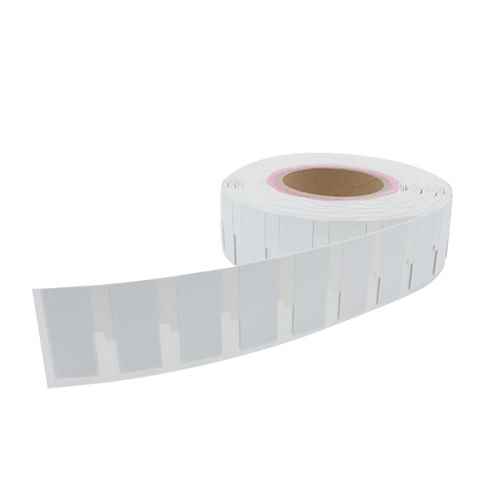
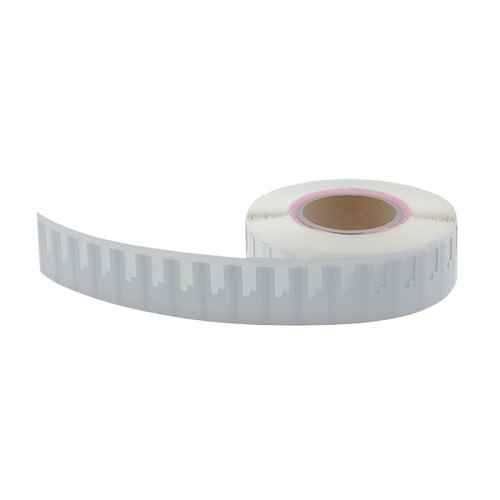
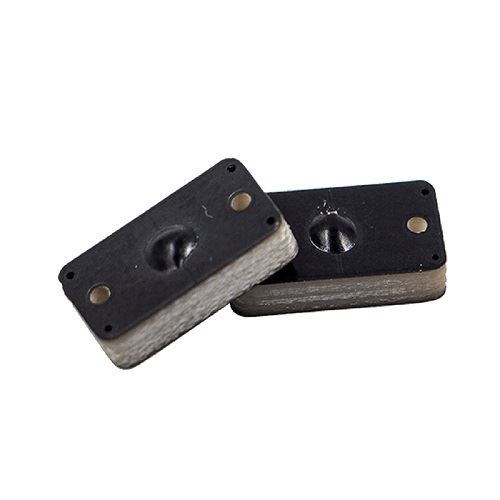
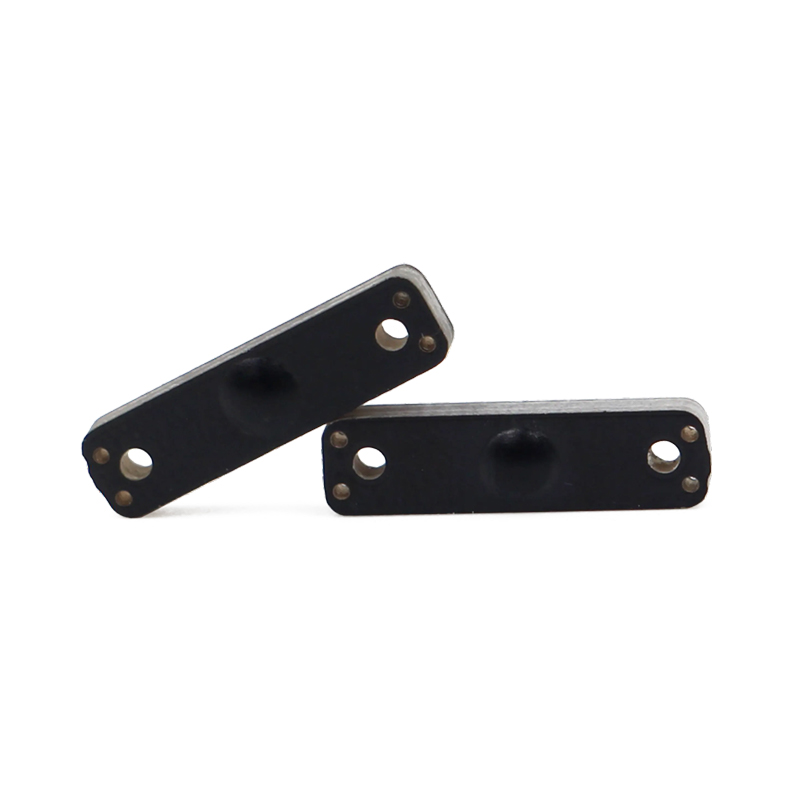
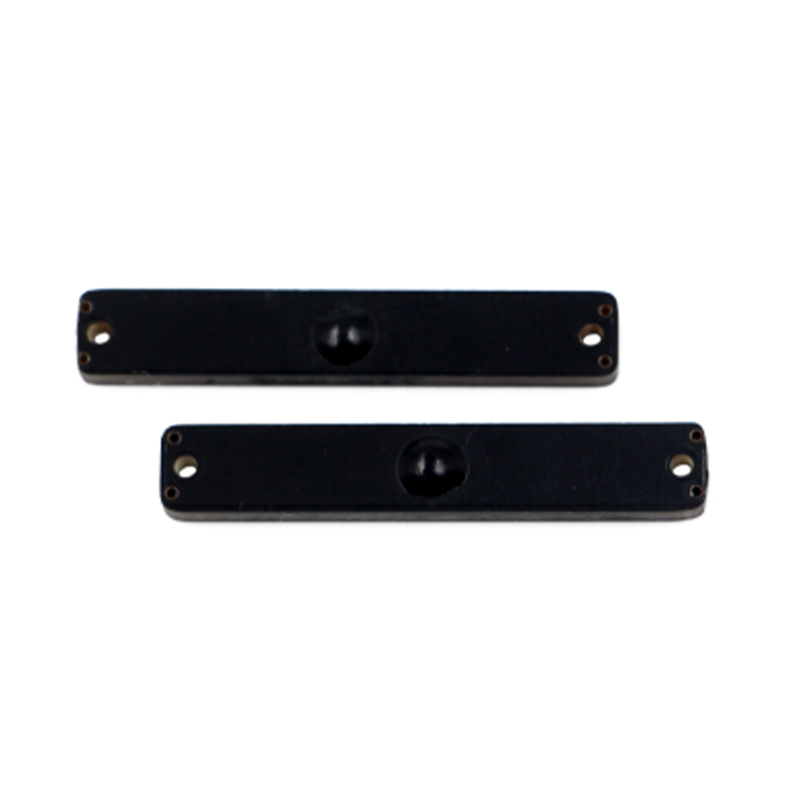
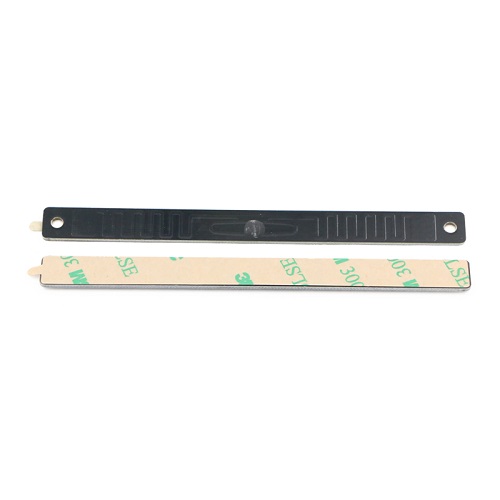
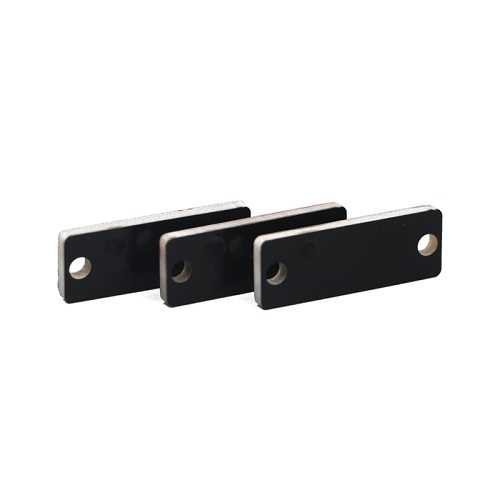
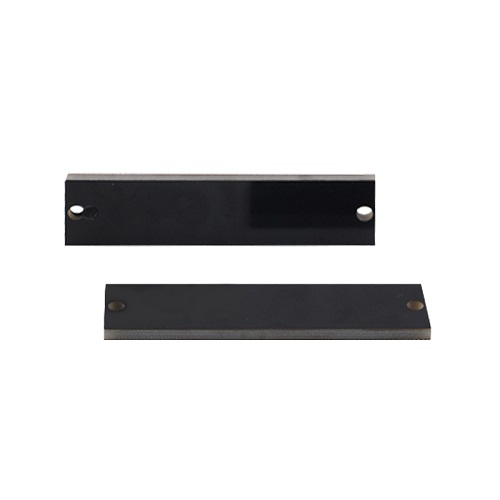
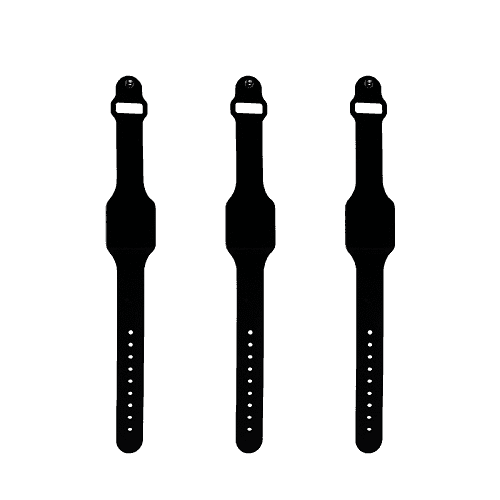
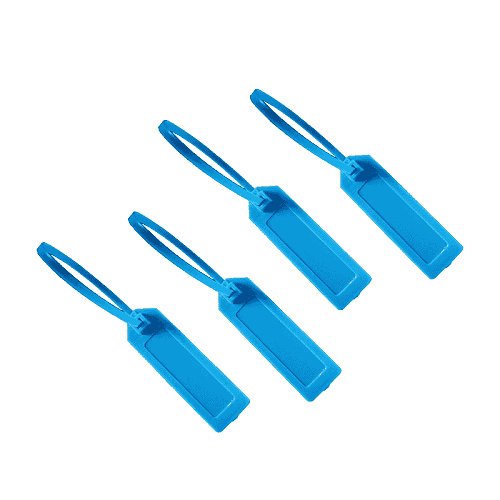
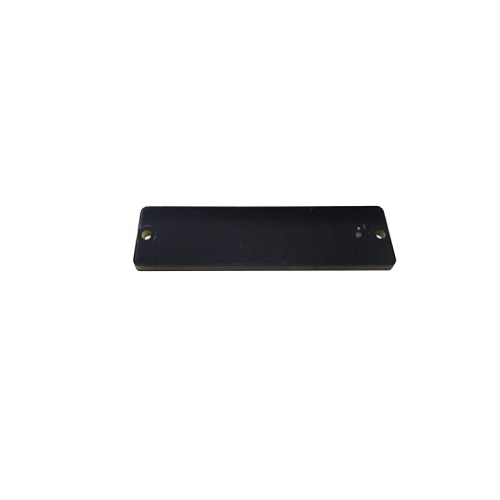
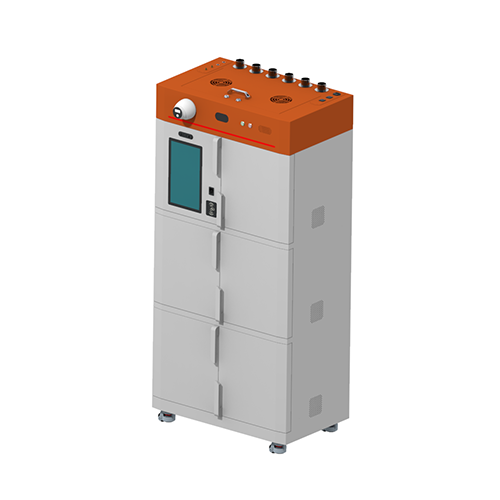
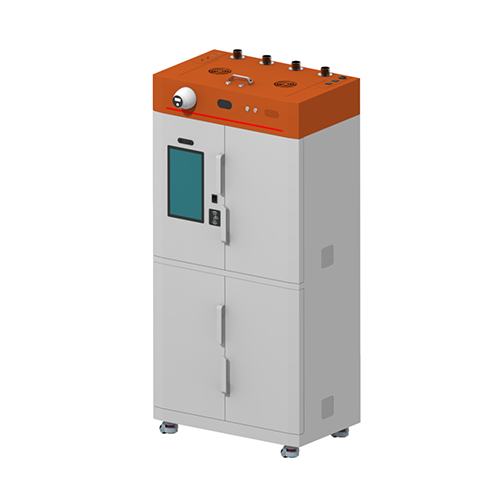
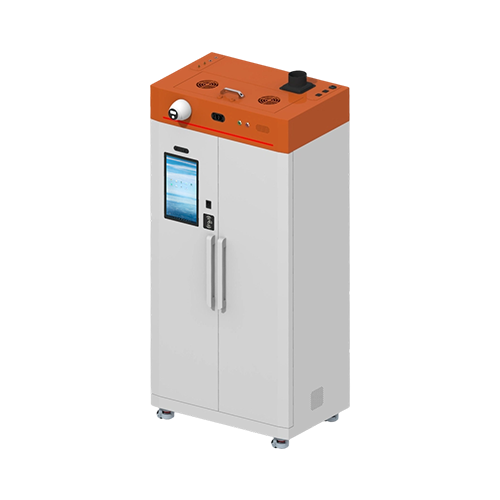
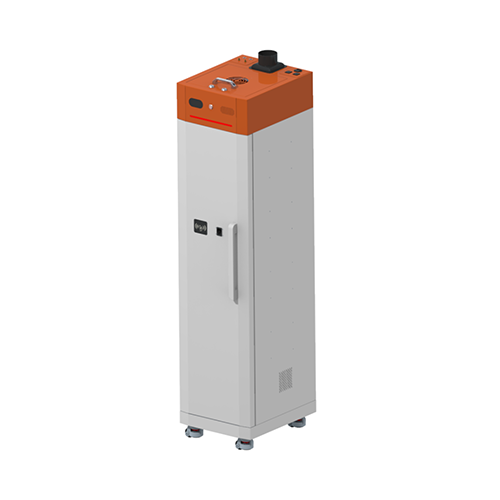
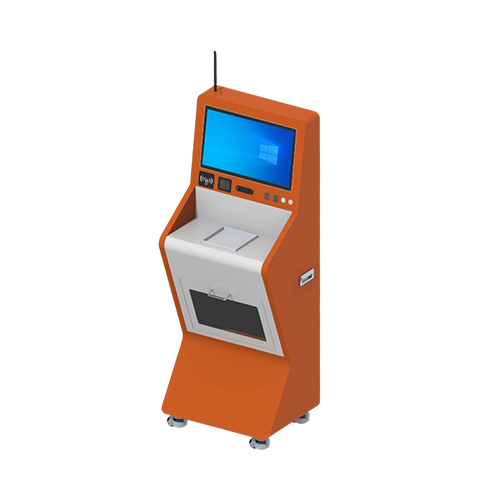
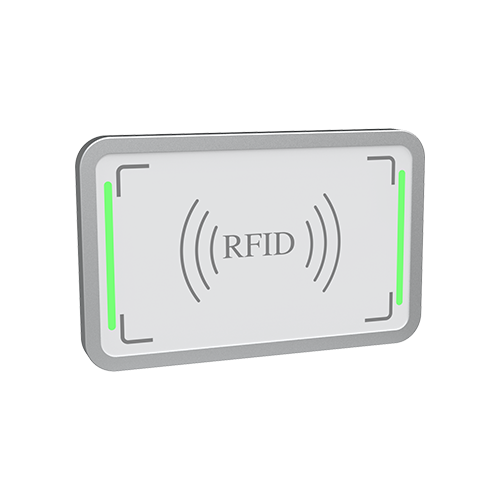
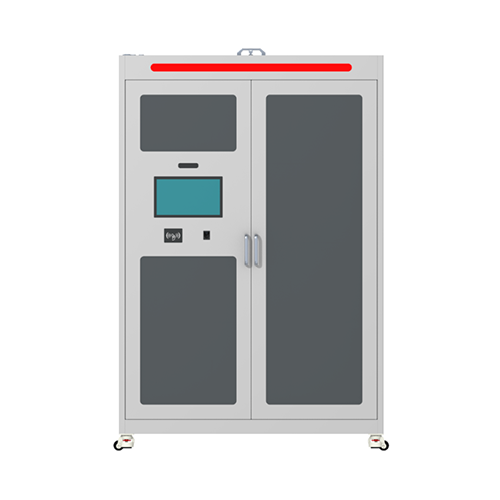
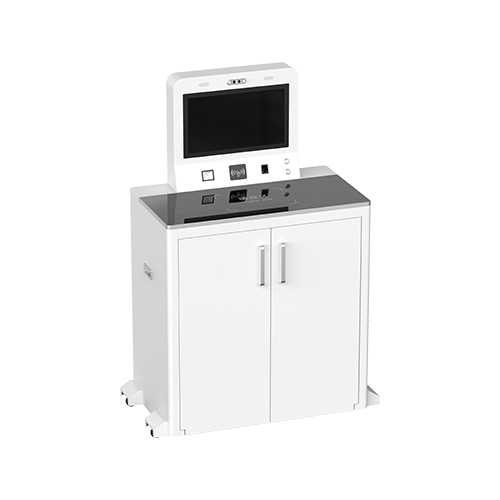
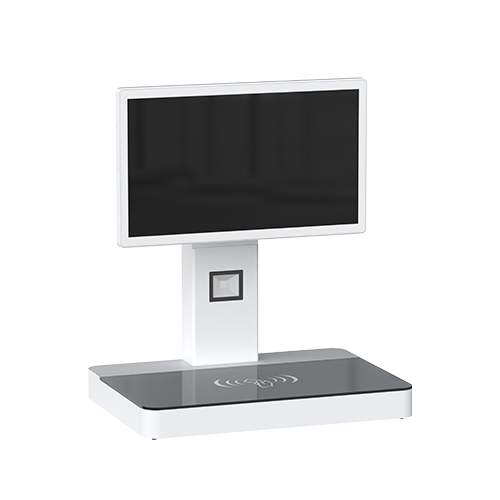
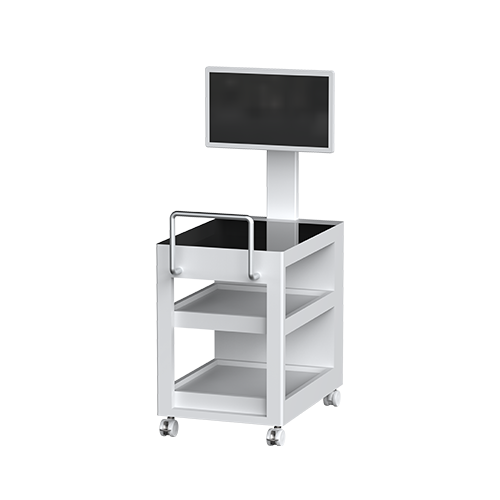
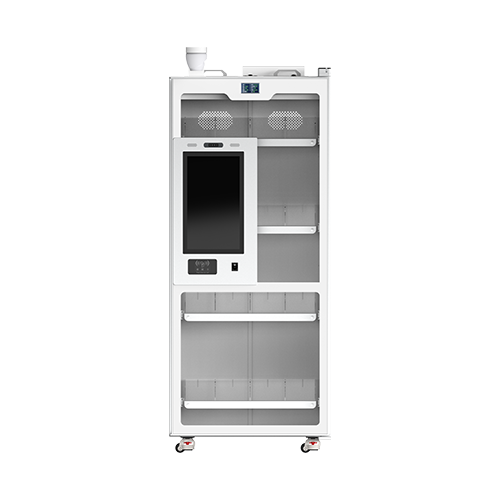
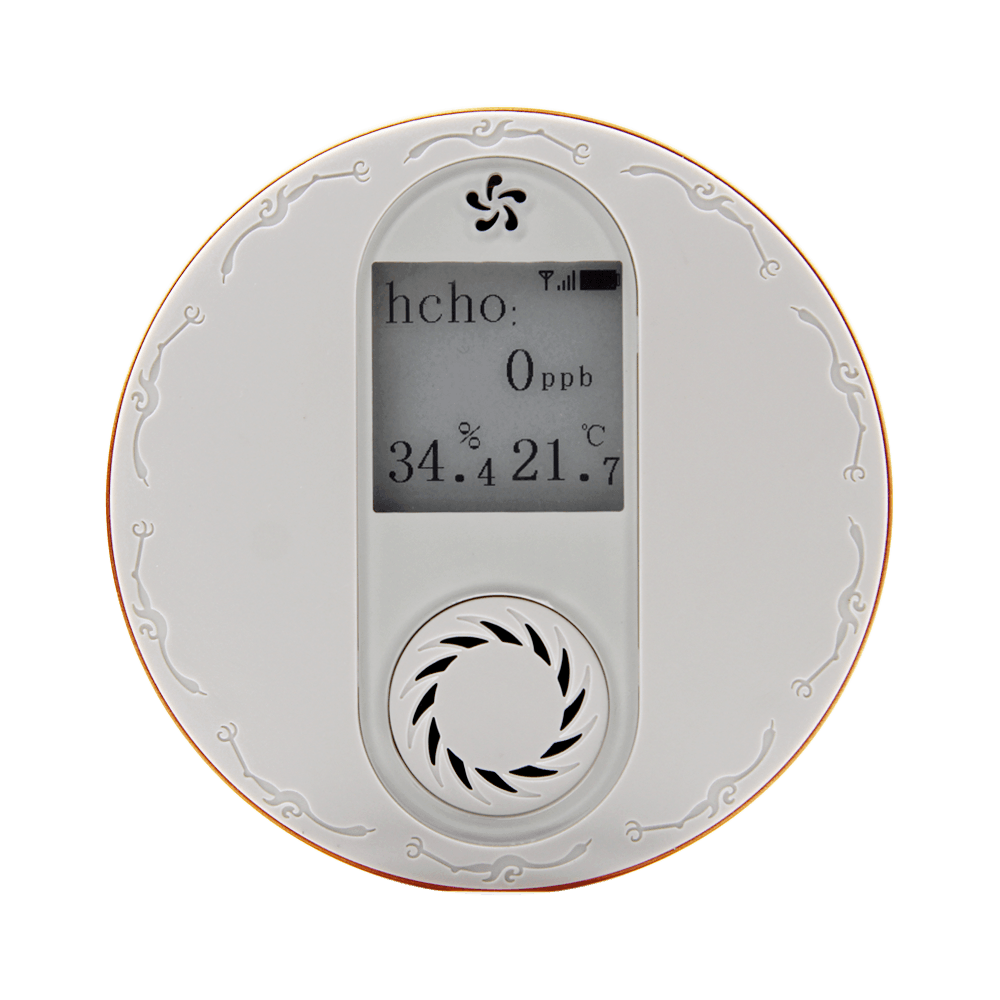
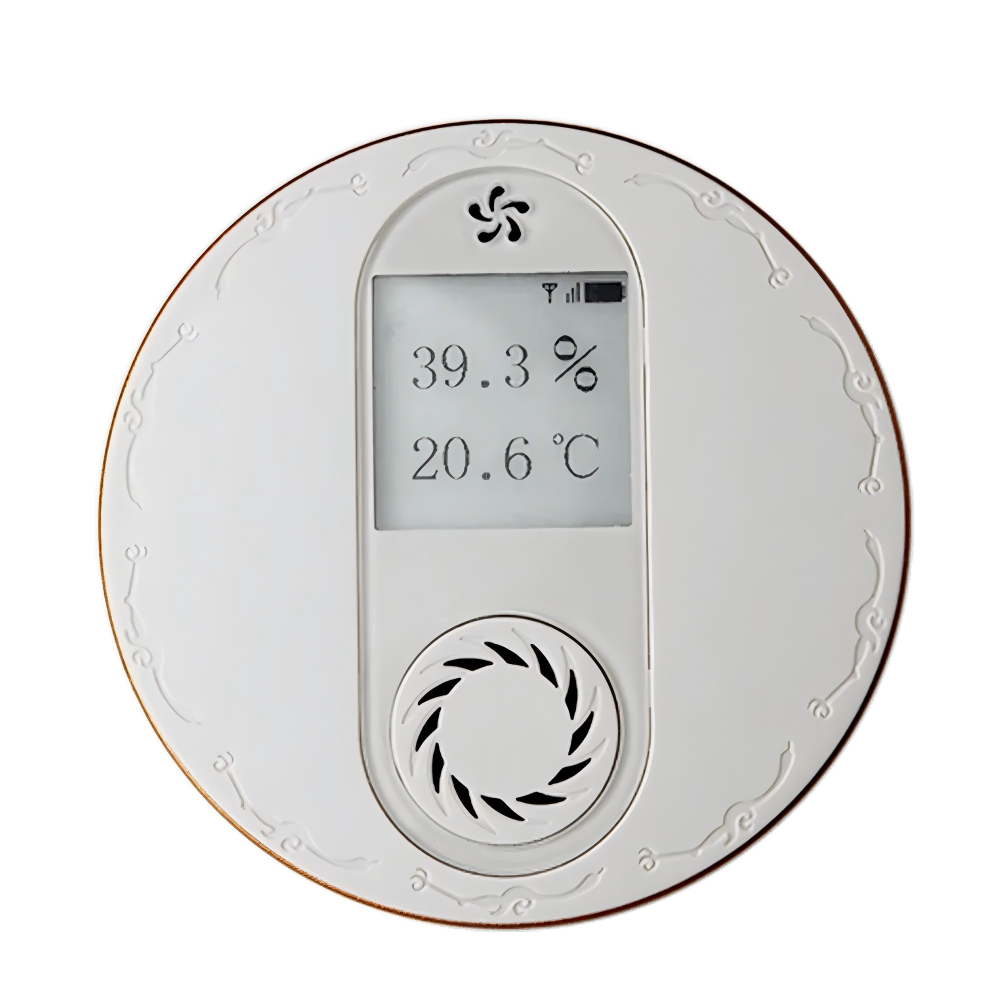
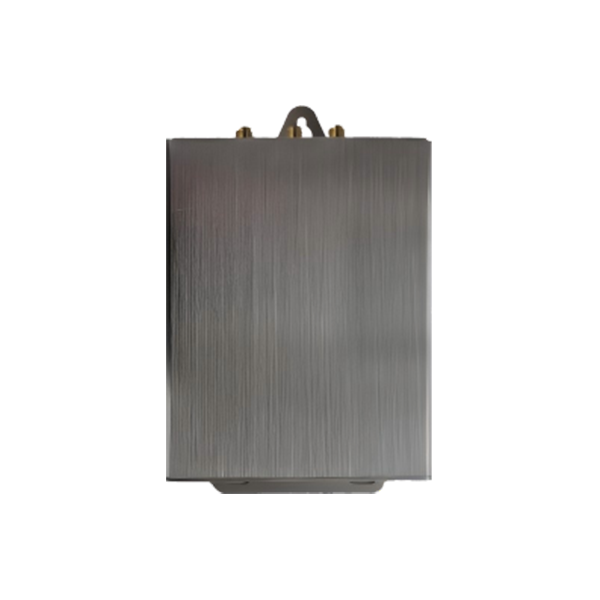
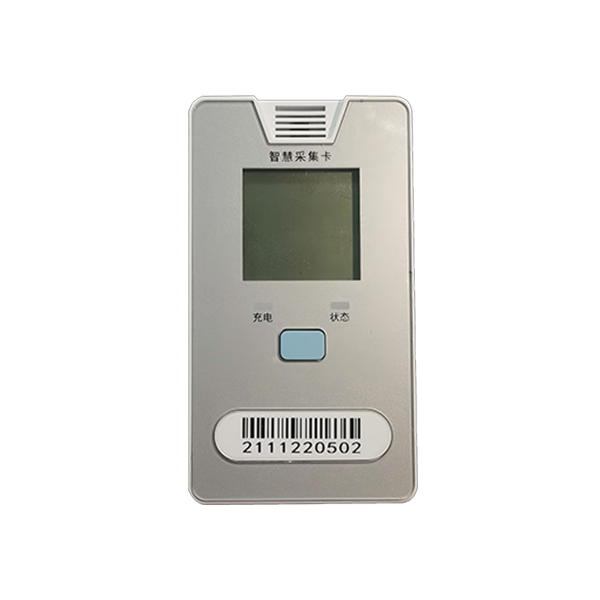
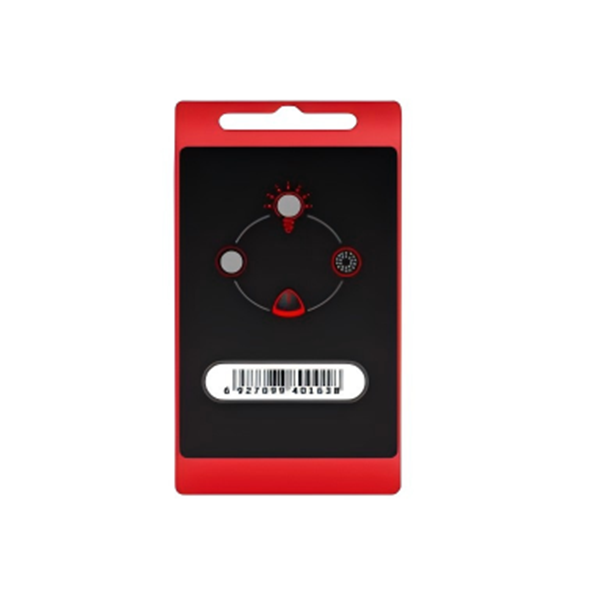
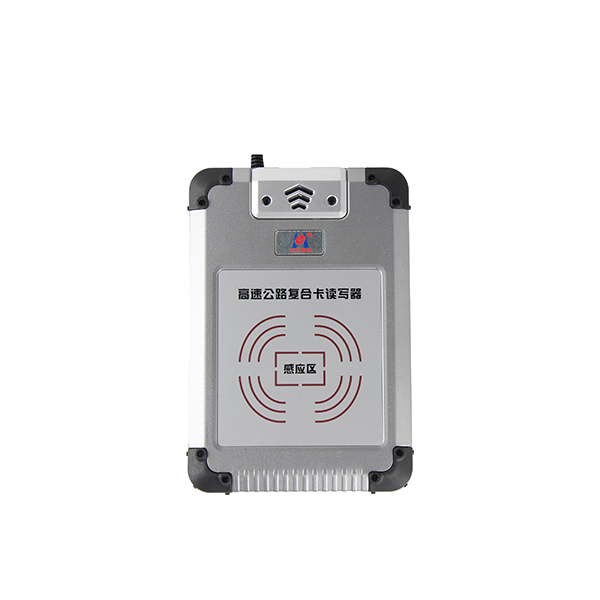
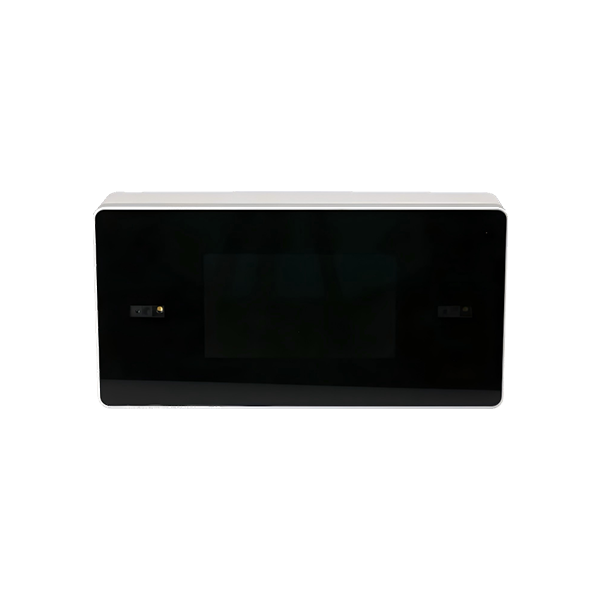

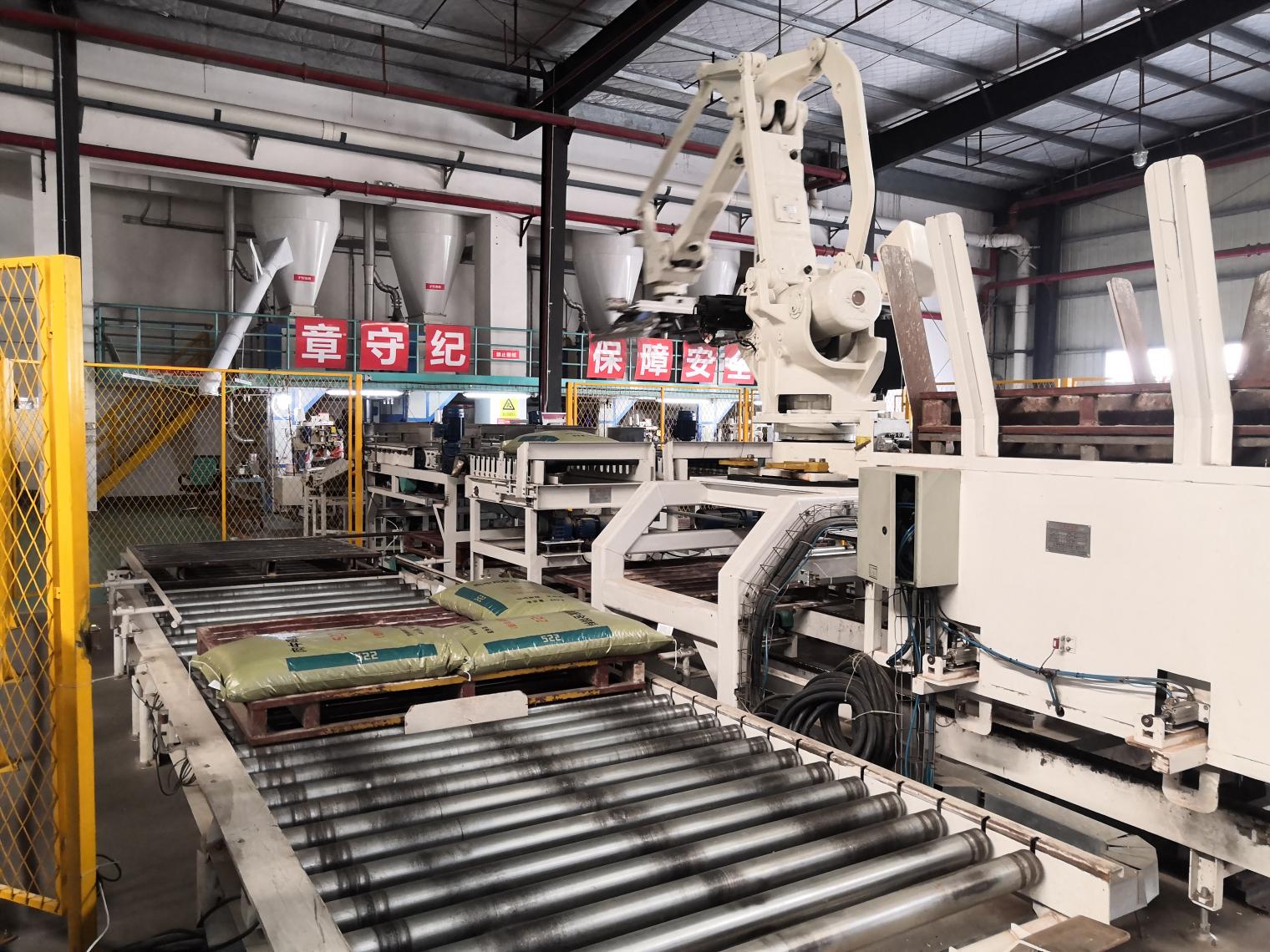
RFID (Radio Frequency Identification) technology enables non-contact identification of objects. In a certain feed manufacturing company, RFID tags are applied to raw materials upon entry into the warehouse, with RFID readers placed at key production stages. This allows real-time tracking and management of raw materials, semi-finished products, and finished goods, improving production efficiency and product quality. The solution enhances productivity, reduces errors, and optimizes inventory management with stable long-term operation.
System Components:
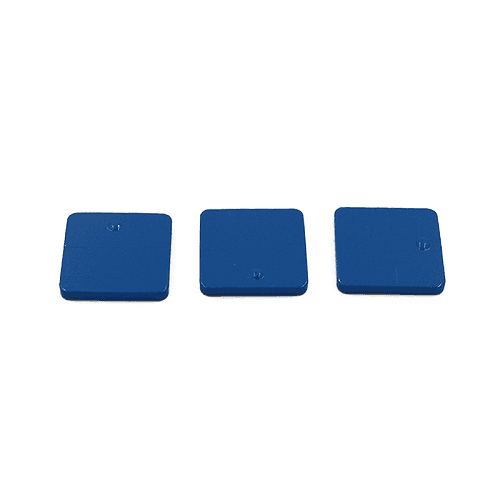
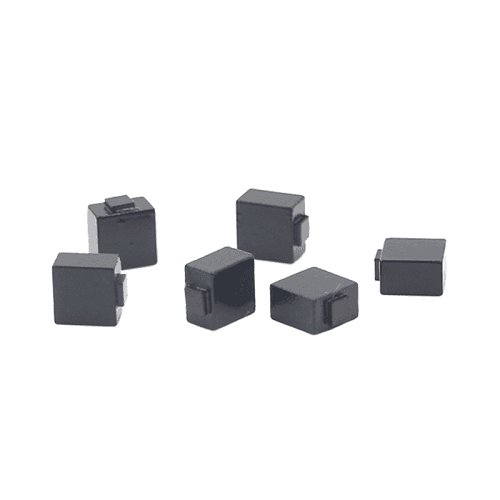
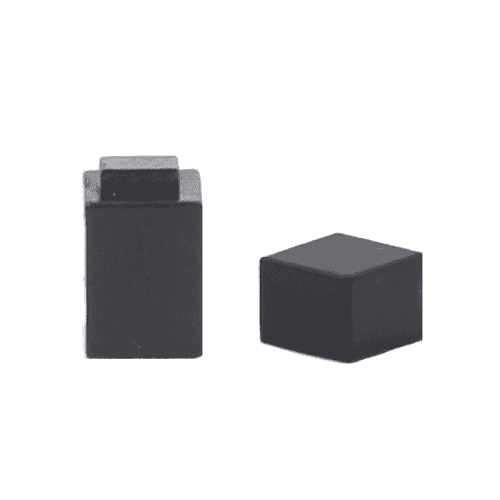
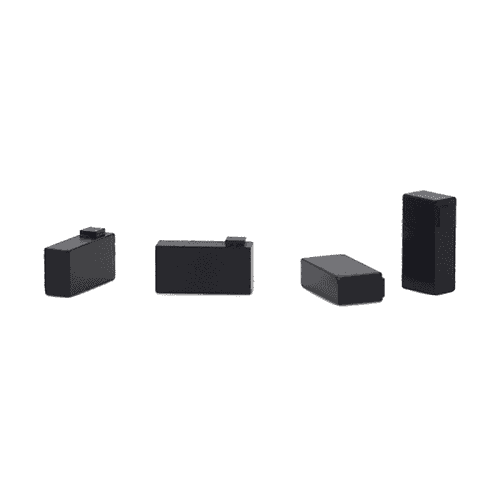
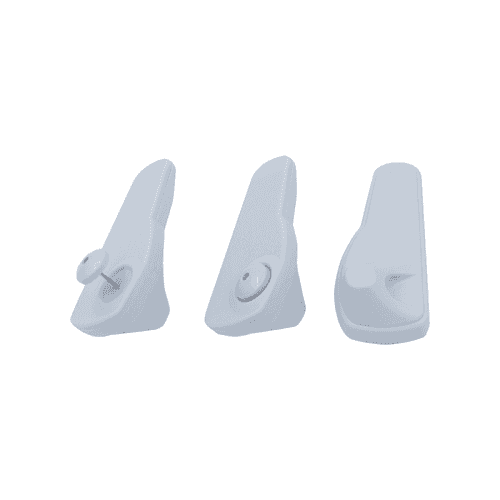
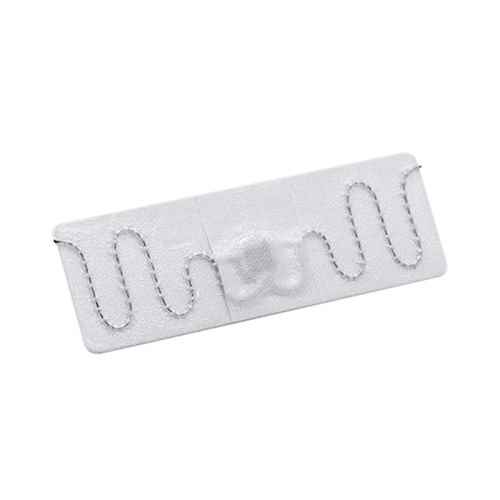
RFID Tags: Applied to raw materials, semi-finished products, and finished goods, containing unique identification codes to distinguish different materials and products.
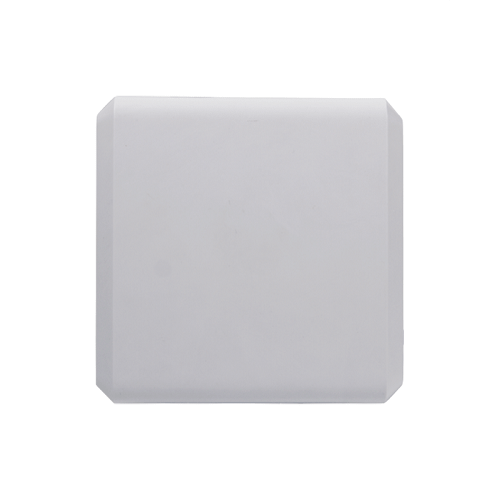
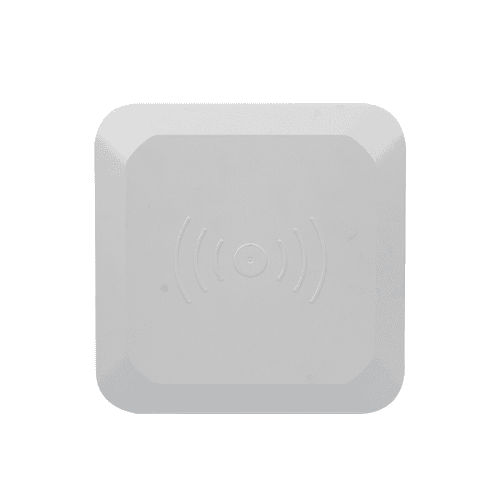
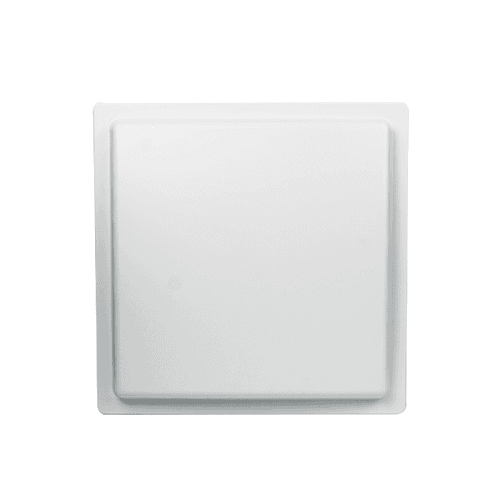
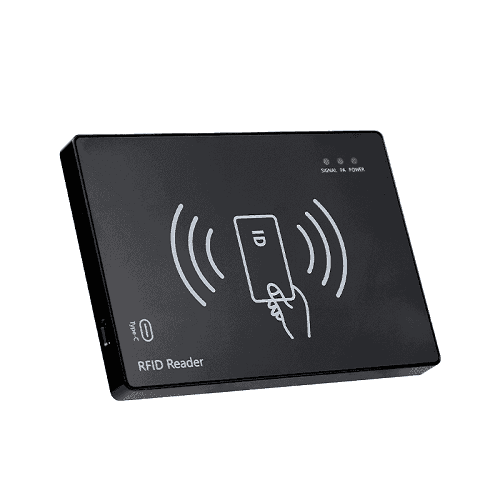
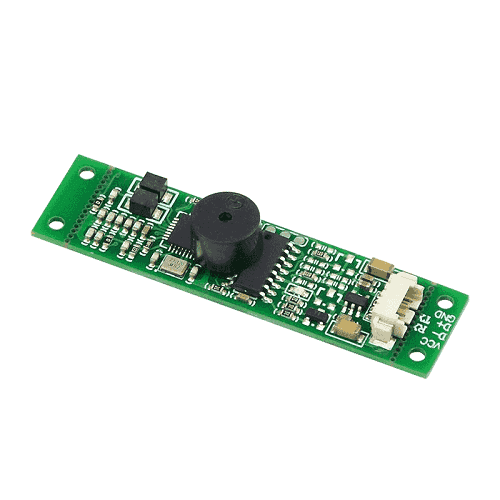
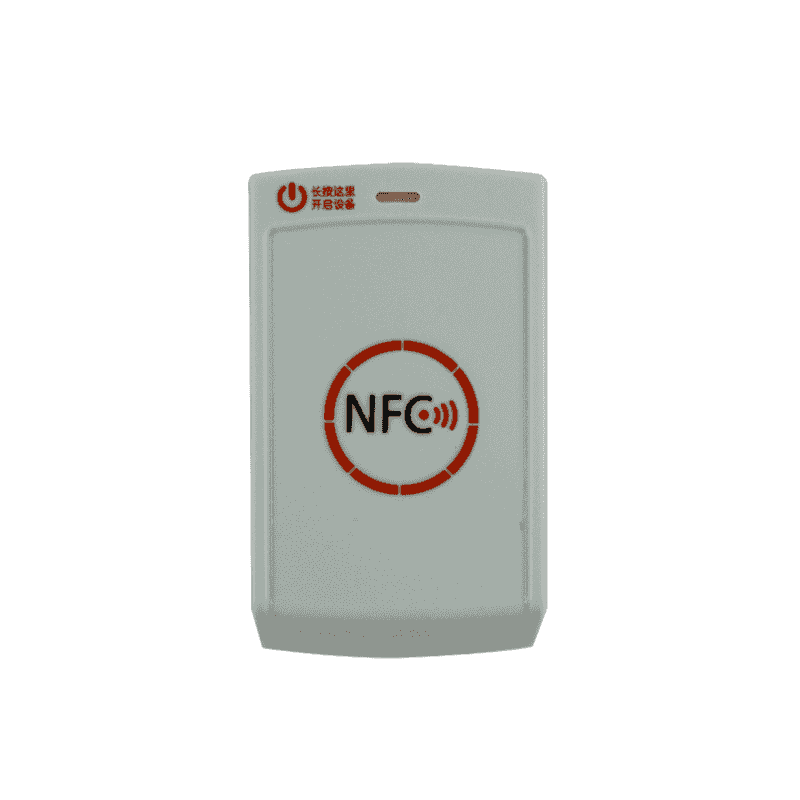
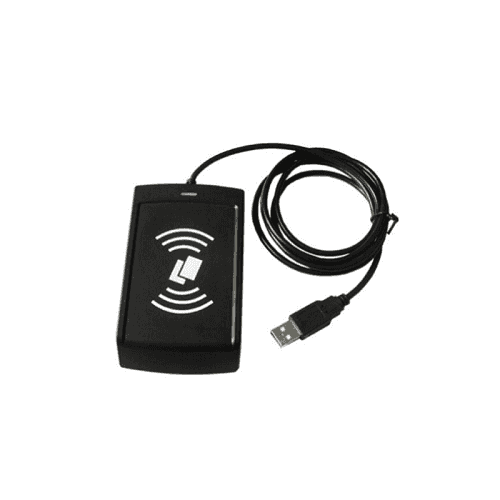
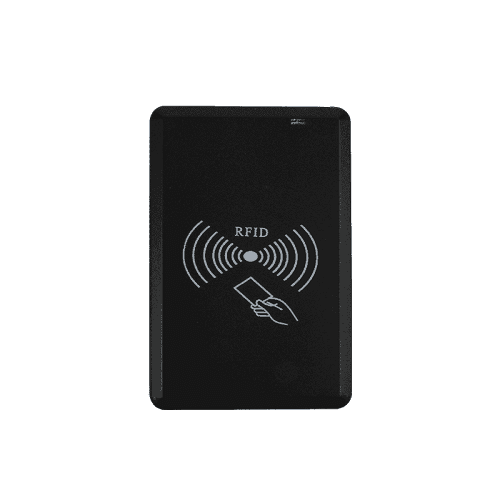
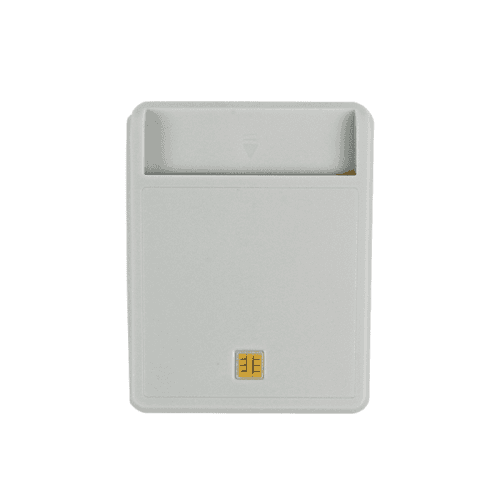
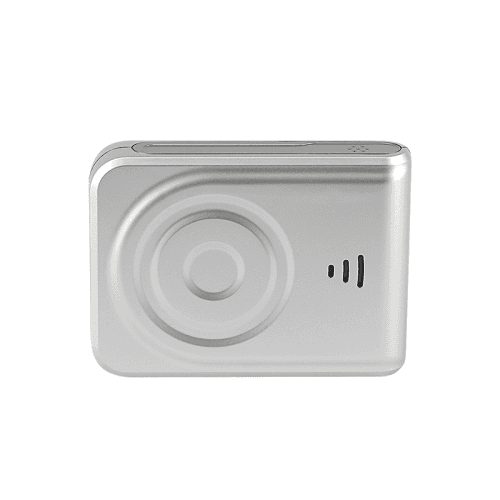
RFID Readers: Installed at key points on the production line to read and write information from RFID tags.
Data Processing System: Receives data from RFID readers, stores, analyzes, and displays it, providing decision-making support to managers.
System Advantages:
Increased Production Efficiency: Automated identification and data collection reduce manual operations, boosting production efficiency.
Reduced Error Rates: RFID ensures data accuracy and consistency, minimizing human errors and improving product quality.
Optimized Inventory Management: Real-time tracking of materials and products helps avoid overstock and waste, reducing inventory costs.
Enhanced Traceability: RFID tags record product lifecycle information, enabling fast and accurate product traceability.